Valorant has taken the gaming world by storm with its unique blend of tactical shooting and character-based abilities. Players are constantly exploring new strategies, mastering agents, and engaging in high-stakes matches that keep the adrenaline pumping.
From casual gamers to competitive pros, the player experience shapes how the game evolves and thrives. Understanding what makes Valorant so captivating can offer insights into its growing community and future updates.
Ready to dive deeper? Let’s explore the details together!
Mastering Agent Abilities for Strategic Advantage
Understanding Unique Agent Roles
Every Valorant agent brings a distinct flavor to the battlefield, and getting to know their abilities is crucial to gain the upper hand. For example, controllers like Omen excel at map control with smokes, while duelists like Jett are designed for aggressive plays and entry fragging.
When I first started playing, I underestimated how much the synergy between agent abilities and team composition affects outcomes. It’s not just about aiming; it’s about timing your abilities to create opportunities.
Learning each agent’s role helped me anticipate enemy moves and coordinate better with teammates, turning chaotic rounds into calculated victories.
Combining Abilities for Teamplay
One of the most thrilling parts of Valorant is watching how abilities can chain together in surprising ways. Take Sage’s wall combined with Brimstone’s smoke, for instance.
Setting up layered vision blockers can trap enemies or secure bomb sites effectively. I recall a match where my teammate’s well-timed Raze grenade followed by my Phoenix flashbang completely wiped out the opposing team.
It’s moments like these that make you appreciate the tactical depth beyond gunplay. Practicing these combos in custom games or watching pro streams can drastically improve your game sense and communication.
Adapting to Enemy Strategies
No two matches are the same in Valorant, and adapting your agent picks and playstyle is vital. When the enemy team picks a lot of aggressive duelists, switching to a sentinel like Cypher or Killjoy to gather intel and slow pushes can shift the momentum.
I’ve learned that flexibility is a key skill—sticking rigidly to one agent can limit your impact. During ranked games, I always keep a few agents in my pocket to counter specific enemy tactics, which feels like having a secret weapon up my sleeve.
Map Knowledge and Positioning Insights
Learning Callouts and Key Locations
Valorant maps are intricately designed with multiple entry points, chokeholds, and high-traffic zones that demand precise knowledge. Early in my journey, I spent hours just exploring maps to memorize callouts and angles where enemies typically lurk.
Knowing where to hold angles or when to rotate can be the difference between clutching a round or losing it. For instance, in Bind, understanding the teleporters’ locations allows for quick rotations and surprise attacks, which I’ve used to great effect in solo queue games.
Utilizing High Ground and Cover
Height advantage and cover usage are fundamental in Valorant. Standing on elevated platforms or peeking from behind crates can give you better sightlines while minimizing your exposure.
I’ve noticed that players who master positioning tend to outgun opponents even if their aim isn’t the sharpest. A well-placed operator shot from a high ledge can shut down entire pushes.
Experimenting with different spots during warm-ups helped me find safe angles that fit my playstyle, making me feel more confident during tense firefights.
Timing Rotations and Site Holds
Knowing when to commit to a site hold or rotate is an art form that often comes from experience rather than theory. Early on, I made the mistake of rotating too late, leading to lost rounds.
Now, I pay close attention to audio cues, teammate pings, and enemy ability usage to decide whether to hold my ground or support another site. Communication is key here—calling out enemy positions and coordinating rotations can prevent unnecessary deaths and secure round wins.
Communication and Team Dynamics
Effective Voice Communication Tips
Clear and concise communication is the backbone of any successful Valorant team. When I started using voice chat regularly, I realized how much faster and smoother rounds became.
Instead of vague phrases like “enemy there,” saying “Two enemies pushing B long, one on site” provides actionable intel. Also, keeping your tone calm and focused prevents panic from spreading during hectic moments.
Over time, I developed a habit of calling out ability cooldowns and ultimate availability, which helped synchronize team strategies.
Building Synergy with Random Teammates
Playing with random teammates can be hit or miss, but there are ways to build quick synergy. I found that initiating positive interactions, like complimenting good plays or suggesting simple tactics, often breaks the ice.
It’s amazing how a few encouraging words can turn strangers into a cooperative unit. Sharing agent picks and preferred roles before the match also helps avoid conflicts and overlapping abilities.
These small steps can drastically improve the overall experience and increase your chances of winning.
Handling Toxicity and Staying Positive
Unfortunately, toxicity is part of any competitive game, and Valorant is no exception. Early on, I struggled with frustration when teammates blamed each other after mistakes.
What helped me was focusing on what I could control—my gameplay and attitude. Muting toxic players and reminding myself that every round is a fresh start made a huge difference.
Staying positive not only improves your mental state but also encourages better teamwork, making the grind more enjoyable.
Weapon Mastery and Economy Management
Choosing the Right Weapon for Your Playstyle
Valorant offers a variety of weapons, each with unique recoil patterns and damage profiles. I spent a lot of time practicing with rifles like the Phantom and Vandal, but I also discovered that mastering pistols like the Sheriff can clutch rounds when money is tight.
Personal preference plays a huge role, but understanding when to switch weapons depending on the situation is key. For example, the Spectre shines in close quarters, while the Operator is perfect for long-range snipes.
Testing different loadouts during casual games helped me find what felt natural.
Managing Your Economy Smartly
Knowing when to save, buy, or force buy is a skill that separates good players from great ones. I remember a match where we lost several rounds early, and instead of forcing expensive buys, we saved up to afford full armor and rifles later, which turned the tide.
Tracking your team’s economy and communicating buy decisions can maximize overall firepower. Sometimes, it’s better to sacrifice a round to build a strong economy rather than going all-in with suboptimal gear.
Practice Makes Perfect: Recoil and Aim Training
No matter how strategic you are, your aim has to be sharp. I made it a habit to spend 10-15 minutes daily in Valorant’s practice range focusing on recoil control and flick shots.
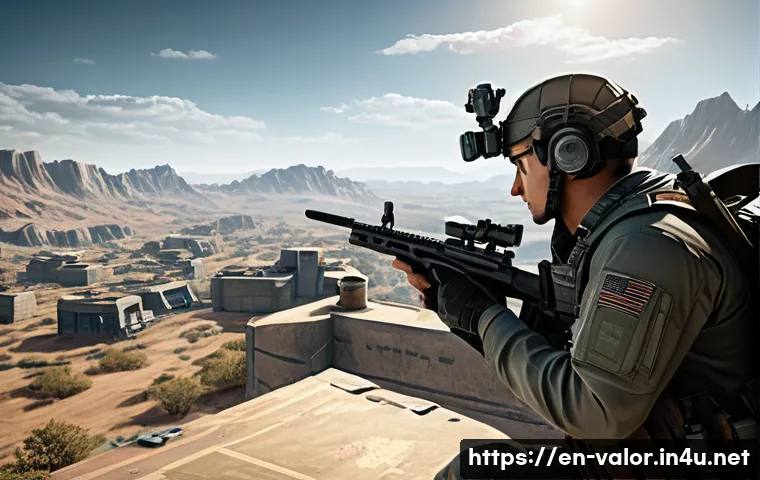
Over time, muscle memory kicked in, and I felt more confident in clutch situations. Using aim trainers outside the game also helped refine my precision.
The key is consistency—regular practice builds confidence and reduces hesitation during fast-paced duels.
Understanding Competitive Meta and Patches
Keeping Up with Balance Changes
Valorant’s developers regularly update the game, tweaking agent abilities and weapon stats to keep the meta fresh. I used to get overwhelmed by patch notes, but now I focus on key changes that impact my favorite agents and weapons.
For instance, when a nerf hits an agent I rely on, I explore alternatives rather than sticking stubbornly to old habits. Following community discussions and pro gameplay highlights helps me stay informed and adapt quickly.
Analyzing Pro Play for Meta Insights
Watching professional Valorant matches is a goldmine for learning current meta strategies. I often pick up new tricks, such as specific agent lineups or positioning tactics, that I wouldn’t have discovered on my own.
Observing how pros coordinate utility and execute site takes has improved my game sense tremendously. Even mimicking their movement and ability usage in practice games gave me a noticeable edge.
Experimenting with Emerging Strategies
While the meta provides a solid foundation, I believe innovation is what keeps the game exciting. Trying out unconventional agent combos or surprise tactics can catch opponents off guard.
I remember a match where we used an aggressive double-duelist push that confused the enemy team and secured an early lead. It’s important to balance meta adherence with creativity to keep your gameplay unpredictable and fun.
Optimizing Settings and Hardware for Performance
Customizing In-Game Settings
Valorant offers a wealth of settings to optimize your experience, from crosshair customization to graphics options. I experimented with different crosshair styles until I found one that improved my target acquisition without distraction.
Lowering graphics settings also helped me maintain a smooth 144+ FPS, which made a noticeable difference in reaction time. Tweaking these options based on your setup can boost both comfort and performance.
Choosing the Right Peripherals
Having a reliable mouse, keyboard, and headset can elevate your play. I invested in a mouse with adjustable DPI and a mechanical keyboard, which enhanced my precision and responsiveness.
A quality headset with clear positional audio lets me detect enemy footsteps and ability cues better. While the gear doesn’t make you a pro, it definitely complements skill and reduces technical frustration.
Network Stability and Ping Management
Lag can ruin even the best plays. Ensuring a stable internet connection and minimizing ping are essential. I use a wired Ethernet connection instead of Wi-Fi whenever possible, which drastically reduced packet loss and latency spikes.
Additionally, closing background apps that consume bandwidth during matches helped maintain consistent performance. These small but crucial adjustments make gameplay smoother and more reliable.
| Aspect | Tips for Improvement | Personal Experience |
|---|---|---|
| Agent Abilities | Learn roles, practice combos, adapt to enemies | Mastered synergy by watching pro streams and team coordination |
| Map Knowledge | Memorize callouts, utilize high ground, time rotations | Explored maps extensively to improve positioning and rotations |
| Communication | Use clear calls, build team rapport, manage toxicity | Improved team wins by focusing on calm, constructive communication |
| Weapon & Economy | Choose weapons wisely, manage economy, practice aim | Balanced buying decisions led to stronger mid-game performances |
| Meta Awareness | Follow patches, watch pros, try new strategies | Adapted quickly to meta shifts through community engagement |
| Settings & Hardware | Optimize graphics, invest in peripherals, ensure stable connection | Enhanced FPS and audio cues improved reaction and awareness |
Psychological Resilience and Mindset
Dealing with Tilt and Frustration
Valorant’s competitive nature can easily trigger frustration, especially after tough losses or mistakes. I’ve found that recognizing when I’m tilted and taking short breaks helps me reset emotionally.
Sometimes, stepping away for a few minutes or switching to a casual mode refreshes my focus. Practicing mindfulness during gameplay, like deep breathing or positive self-talk, also keeps stress in check.
This mental discipline made me more consistent and less prone to rage quits.
Setting Realistic Goals and Tracking Progress
Rather than obsessing over ranks, I started setting achievable goals such as improving my kill-death ratio or mastering a new agent. Tracking these milestones gave me a sense of accomplishment and motivation to keep playing.
I use simple tools like spreadsheets or apps to log my stats and review gameplay highlights. This approach turned practice sessions into productive learning opportunities instead of grind.
Maintaining Enjoyment Amidst Competition
At the end of the day, Valorant is a game meant to be fun. I remind myself to celebrate small victories, enjoy creative plays, and connect with friends.
Sometimes, playing with a chill squad or experimenting with goofy agent combos lightens the mood. Keeping the joy alive prevents burnout and keeps me coming back for more, regardless of rank or wins.
Wrapping Up
Mastering Valorant is about more than just sharp aim; it’s a blend of strategy, communication, and adaptability. Understanding your agents, maps, and team dynamics can transform your gameplay from reactive to proactive. With consistent practice and a positive mindset, every player can elevate their experience and enjoy more satisfying victories.
Useful Tips to Remember
1. Prioritize learning your agents’ unique abilities and how they complement each other in team play.
2. Invest time in map knowledge—knowing callouts and key positions gives you a tactical edge.
3. Communicate clearly and calmly with your team to foster trust and effective coordination.
4. Manage your economy wisely, balancing weapon choices and saving when necessary.
5. Stay updated with game patches and meta shifts by watching pro matches and engaging with the community.
Key Takeaways
Success in Valorant hinges on a well-rounded approach that combines game knowledge, teamwork, and mental resilience. Flexibility in agent selection and strategies allows you to counter opponents effectively, while solid communication prevents costly mistakes. Investing in proper settings and hardware enhances performance, and maintaining a healthy mindset keeps the game enjoyable through ups and downs. Remember, consistent practice and learning from every match will steadily boost your skill and confidence.
Frequently Asked Questions (FAQ) 📖
Q: What makes Valorant different from other tactical shooters?
A: Valorant stands out because it combines precise gunplay with unique character abilities, adding layers of strategy beyond traditional shooting games. Each agent has specialized skills that can turn the tide of battle, encouraging players to think tactically about team composition and timing.
From my own experience, this mix keeps matches fresh and highly engaging, as you’re not just relying on aim but also on smart use of abilities.
Q: How important is agent mastery in Valorant, and how can I improve?
A: Agent mastery is crucial because knowing your character’s strengths and weaknesses allows you to maximize their impact in matches. Improving comes down to consistent practice, learning maps thoroughly, and watching high-level gameplay to understand optimal ability usage and positioning.
Personally, I found that focusing on one or two agents initially helped me gain confidence faster, rather than switching around too much.
Q: What strategies do competitive players use to succeed in Valorant?
A: Competitive players often emphasize communication, map control, and coordinated team play. They use agents’ abilities to gather intel, block enemy sightlines, or execute surprise attacks.
From what I’ve observed, the best teams also adapt quickly mid-game, changing tactics based on the opponent’s playstyle. Practicing callouts and maintaining a positive team mindset can significantly boost your chances of winning.