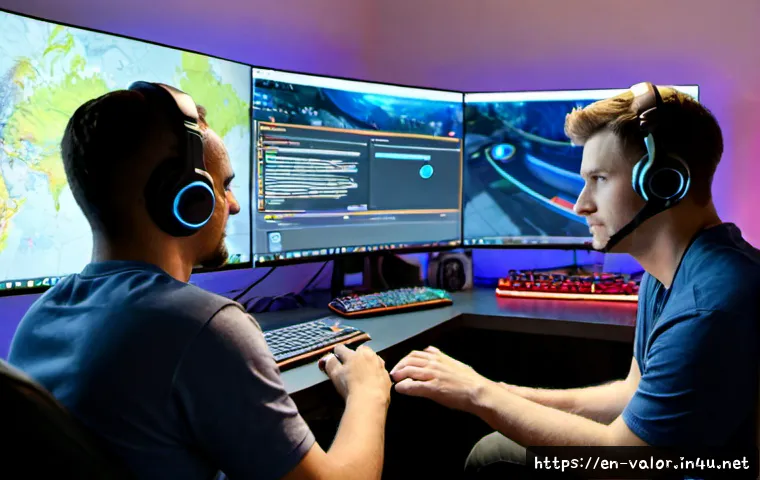
The most reliable Valorant duo queue foundation is complementary roles, short communication, and a clear trade plan. You cannot control every teammate’s decision, but two coordinated players can create cleaner utility timing, better economy choices, and fewer isolated fights.
Start by choosing jobs that cover different needs instead of locking the same type of agent every match. Before each round, agree on one simple goal: take space, gather information, hold a site, or play for a retake.
Gear can support competitive play when audio clarity, stable performance, or communication is the actual bottleneck, not as a guaranteed shortcut to rank.
Coaching and aim-training tools are most useful when they target one specific habit you can practice consistently.
At a Glance
- Build complementary roles: pair space creation, information, control, or support rather than duplicating responsibilities.
- Keep comms short: call location, utility, damage, and intent without filling the round with noise.
- Plan trades and economy together: a duo is strongest when both players can act on the same timing.
| Duo Style | Best Use | Required Skills | Typical Risk | Useful Setup Consideration |
|---|---|---|---|---|
| Entry and Support | Proactive site takes and early pressure | Fast timing, confidence, trade discipline | Entering alone or using utility too late | Clear microphone communication and consistent frame performance |
| Controller and Initiator | Planned utility and mid-round control | Utility timing, patience, concise calls | Overplanning while the team loses tempo | Comfortable audio for following rotations and teammate calls |
| Sentinel and Information Specialist | Patient rounds, defense, and reactive decisions | Map awareness, information sharing, positioning | Playing too passively when action is needed | Positional audio clarity and reliable network performance |
The Fastest Way to Make a Duo Queue More Reliable
Pick complementary jobs instead of matching favorite agents
The strongest starting point is not a universal “best” agent pair. It is a pair with different jobs that work together. Valorant agents can help create space, gather information, control areas, protect positions, or support teammates with utility. If both players lock agents that expect someone else to start fights, collect information, or control a site, the duo may leave a major gap in the team plan.
One practical approach is to decide who usually starts action and who enables it. An aggressive player can focus on taking space while the partner prepares utility, follows closely for a trade, or secures a safer post-plant position. A more methodical duo can combine control utility with information tools, then use what they learn to make a cleaner decision.
Comfort picks still matter. A theoretically balanced pair is less useful if either player cannot use that agent’s abilities with confidence. Treat role coverage as a guide, then adjust for the map, team composition, and what teammates have already selected.
Agree on one simple round objective before barriers drop
Do not begin every round with a long strategy meeting. Use one short objective that gives both players a shared direction. Examples include taking an area together, using early utility to create pressure, holding for an opponent push, or collecting information before committing to a site.
A good objective answers two questions: where are we starting? and what will make us change plans? For example, the duo may start near one side of the map, use utility to test resistance, and rotate only if they receive useful information or meet heavy pressure. This creates structure without forcing the rest of the team into an inflexible script.
Be careful not to treat every plan as a command. A two-player group cannot fully control the remaining teammates, so leave room to support the team’s actual position and decisions.
Trade quickly rather than chasing isolated highlight plays
Trading is one of the clearest ways a duo can create value. If the first player takes a fight, the second player should be close enough to respond when that fight goes badly. The goal is not for both players to stand in the same line. The goal is to use timing, spacing, and a shared target so an opponent cannot repeatedly take isolated duels.
Before an entry, decide who leads and who follows. During a retake, decide who clears first and who watches the likely response angle. After planting, avoid both players holding the same narrow angle unless the situation clearly requires it. A simple split of responsibilities gives the pair more ways to react.
Compare Duo Styles Before You Lock Agents
Entry and support: best for proactive site takes
This style suits duos that prefer to create the first opening instead of waiting for opponents to act. One player helps take space, while the other provides utility, follows for a fast trade, or supports the planted objective. It can be effective when the team needs initiative.
The main requirement is shared timing. Support utility has less value if it arrives after the entry player has already fought. Likewise, the entry player should not sprint into a site while the partner is too far away to trade. Use short calls such as “go after this,” “follow close,” or “hold for my utility.”
Controller and initiator: best for planned utility and mid-round control
A controller-and-initiator approach can give a duo a clear structure. One player helps limit dangerous sightlines or shapes the area, while the other gathers information or disrupts defenders before the team moves. This pairing can be especially useful for players who prefer deliberate setups over constant early fighting.
The risk is spending too much time arranging a perfect plan. Utility should support a decision, not replace one. If the team has already committed elsewhere, look for a way to support that choice rather than holding utility for a plan that no longer matches the round.
Sentinel and information specialist: best for patient, reactive rounds
This duo style prioritizes site control, map awareness, and reaction. One player can help secure positions or watch flanks, while the other gathers information that tells the team where pressure may be developing. On defense, this can help the duo make calmer rotation decisions. On attack, it can reduce the chance of walking into an unknown area without support.
The common mistake is becoming so focused on safety that the pair contributes too late. Information only matters if it leads to a timely decision. Share what you know, identify the next action, and avoid holding every ability until the round is nearly over.
What to compare: comfort picks, map fit, utility timing, and team needs
Before locking agents, compare four things. First, ask whether both players are comfortable with their selections. Second, consider whether the map gives the pair reasonable opportunities to use their roles. Third, discuss whether their utility can be timed together. Finally, check what the other teammates have already chosen.
Role coverage matters more than tier-list hype alone. Current balance and agent details can change, so verify current in-game information when making decisions around a specific agent or patch.
A Round-by-Round Communication System for Two Players
Use short calls for location, damage, utility, and intent
Fast rounds reward clear information. A useful call normally includes only what a teammate can act on: an opponent’s location, whether damage was dealt, what utility was used, and what you plan to do next. Short calls reduce confusion when multiple people are speaking.
Try a simple pattern: location, detail, intent. For example, call where the threat is, mention useful information such as utility or damage, then state whether you are holding, rotating, pushing, or waiting. This is more actionable than a long explanation after the fight has already ended.
A gaming headset with comfortable positional audio and a clear microphone may help some players follow these moments more easily. The value depends on whether audio clarity or voice communication is actually limiting your play.
Set a trade rule for entries, retakes, and post-plant positions
Make one rule that applies across rounds: if one player commits to a fight, the other player either supports the fight or clearly states that they cannot. This reduces the frustrating situation where both duo partners assume the other is nearby.
For entries, stay close enough to trade without blocking each other. For retakes, state who is taking the first contact and who is covering the response. For post-plant situations, choose separate responsibilities such as watching an approach, holding a crossfire, or listening for a defuse attempt.
Do not force the same rule into every situation. Sometimes the best play is to preserve position, wait for teammates, or avoid an unfavorable duel. The important part is that both players understand the decision.
Coordinate credits, saves, buys, and ultimate timing
Economy coordination is a practical duo advantage. Before buying, ask whether the pair is playing a stronger purchase round, saving resources, or choosing a lower-economy approach. Buying incompatible weapons and utility can leave both players unable to support the next important round.
Keep the conversation simple: buy together, save together when possible, and explain exceptions. If one player has a reason to buy while the partner saves, say it early so the team understands the plan. The same applies to ultimate timing. Mention when an ultimate could support a site take, retake, or defensive hold, but do not assume teammates will build the whole round around it.
Mistakes That Make Duo Queue Harder Than Solo Queue
Overcommitting to each other and abandoning the rest of the team
A duo should improve team coordination, not become a private two-player match. Following each other everywhere can leave teammates unsupported and make the team predictable. Stay connected through communication, but position where your role is useful for the entire team.
If teammates are already taking a site or defending a pressure point, consider how your pair can strengthen that effort. A duo that adapts to the team often gets more value than one that insists on the same routine every round.
Double-peeking without a trade plan
Two players looking at the same angle at the same time are not automatically trading. They may simply give an opponent two opportunities. Before peeking, decide whether one player is taking first contact, whether utility is being used, and whether the second player has a slightly different angle.
Trading requires a response plan. If the first player falls, the second needs a realistic chance to act. If that chance does not exist, slow down and choose a different setup.
Giving late, vague, or emotional comms
Calls that arrive after the important moment are less useful. Vague information creates uncertainty, and emotional reactions can hide the one detail teammates need. Focus on what happened and what should happen next.
Instead of blaming a missed play, state the relevant location, remaining threat, or your intended rotation. This does not guarantee better results, but it gives the team a clearer chance to react during a fast round.
Buying incompatible weapons and utility during low-economy rounds
Low-economy rounds are where duos can accidentally work against each other. One player may spend heavily while the other holds resources, leaving neither with a clear shared plan. Discuss the purchase before the round starts and make sure both players understand whether the goal is to contest, save, or prepare for the next stronger buy.
There is no single purchase rule that fits every situation. The useful habit is intentional coordination, not automatic buying.
Adapt the Pair to Your Map, Team, and Match Situation
When to play fast and create early pressure
Play faster when your duo has a clear utility sequence, a nearby trade position, and a reason to challenge an area before opponents can settle. Early pressure can create space or force reactions, but it should not become a predictable habit.
Tell teammates what you are doing before the action begins. Even a brief call gives them the option to support, hold another area, or prepare for a rotation.
When to slow down and collect information
Slow down when the map feels uncertain, when opponents have shown repeated aggression, or when your team needs more information before committing. This is where an information-focused pair can be valuable. Use abilities and positioning to learn something useful, then convert that information into a decision.
Waiting without a purpose is different from playing patiently. A slow round still needs an objective, such as testing an area, denying a flank, or setting up a safer late move.
How to adjust when teammates already locked similar roles
If teammates have already selected agents with responsibilities similar to yours, consider filling a missing function rather than forcing an overlapping composition. This does not mean abandoning your comfort entirely. It means comparing what the team lacks against what you can play confidently.
A quick pre-round question helps: what can our pair provide that the rest of the team does not already have? The answer may be entry support, site control, information, safer defensive coverage, or stronger utility timing.
When stable audio, performance settings, or practice tools matter most
Competitive gaming setup choices matter most when they address a visible problem. If you frequently struggle to identify audio direction, compare gaming headsets for positional audio comfort, microphone clarity, fit, and budget. If frame consistency or visibility disrupts fights, review monitor options and performance settings with your own system in mind.
Aim-training tools can be useful when you have a specific mechanical goal and time to practice it. Legitimate coaching options may be worth considering when you want feedback on a defined issue such as communication, decision-making, or review habits. Neither a headset, monitor, aim trainer, nor coaching service can promise a rank or win-rate outcome.
Choosing Your Duo Setup: A Practical Comparison Summary
Choose agents based on role coverage, not tier-list hype alone
Choose the pair that gives your team useful functions while keeping both players on agents they can use well. Check team needs, map fit, and whether your abilities can be timed together. Current agent balance and abilities should always be confirmed in the game’s current information.
Compare gaming headsets by positional audio comfort, microphone clarity, and budget
When comparing a competitive gaming headset, focus on whether it is comfortable for longer sessions, whether positional audio is easy for you to interpret, and whether your microphone makes short calls understandable. Do not assume the most expensive option is automatically the best fit for your setup.
Consider a monitor or performance upgrade only if visibility or frame consistency is the bottleneck
A monitor or performance upgrade is easier to justify when your current display experience or system performance consistently interferes with seeing action clearly or playing smoothly. Check compatibility with your existing setup, practical settings, and the exact product specifications before buying.
Evaluate coaching or aim-training tools by specific goals, transparent pricing, and practice time
For coaching, look for a clear explanation of what is included, transparent pricing, and feedback that matches your goal. For aim-training subscriptions or tools, decide what skill you are practicing and whether you will use the tool regularly. A useful resource should fit your routine rather than create another task you avoid.
Selection Criteria and Comparison Summary
Before spending on a duo setup or competitive gaming accessory, check these points:
- Role coverage: Does your agent pair cover a real team need?
- Communication bottleneck: Is microphone clarity or audio comfort actually affecting calls?
- Performance bottleneck: Are unstable frames, visibility, or network reliability disrupting your experience?
- Practice goal: Can an aim-training tool or coaching resource address one specific weakness?
- Cost and terms: Review current product details, compatibility, pricing, and service conditions before choosing.
For headset, monitor, aim-training, or coaching options, check the relevant product or service page for current specifications, terms, and pricing.
Final Thoughts
A strong Valorant duo is built on reliable habits, not a fixed agent combination. Cover different roles, state a simple plan, and stay close enough to create trades when action starts. Adapt to the map and the teammates you have in the match instead of treating the duo as separate from the team. Setup upgrades and training resources are most sensible when they solve a clear, repeatable problem.
Useful Information
1. Keep calls actionable: location, useful detail, then intent.
2. Decide whether you are buying, saving, or contesting before the round begins.
3. Separate enough to cover more options, but stay close enough to trade when the plan requires it.
4. Reassess your duo roles when teammates lock agents with similar responsibilities.
5. Treat hardware and training purchases as tools for a specific bottleneck, not automatic competitive improvement.
Important Notes
Duo queue cannot guarantee a higher rank, better win rate, or more favorable teammates. The best agent pairing varies by map, patch, player comfort, team composition, and match situation. Current game balance, ranked rules, third-party service details, and product pricing may change, so confirm those details through current official or provider information before making decisions.
Frequently Asked Questions
Q1. What is the best agent combination for Valorant duo queue?
A1. There is no single best combination for every match. A dependable starting point is choosing complementary functions, such as space creation with support, control with information, or site security with information gathering. Consider your comfort picks, the map, utility timing, and what the rest of the team already needs.
Q2. Is duo queue better than solo queue for climbing ranked matches?
A2. Duo queue can make communication, trading, and economy coordination easier between two regular teammates. However, a two-player group cannot control the decisions, communication, or performance of the other teammates, so it does not guarantee rank or win-rate improvement.
Q3. Are a gaming headset, high-refresh-rate monitor, or coaching service worth paying for in Valorant?
A3. They may be worth considering if they address a specific bottleneck. Compare a gaming headset for audio comfort and microphone clarity, a monitor or performance option for visibility and frame consistency, and coaching or aim tools for a defined practice goal. Review current specifications, pricing, compatibility, and service terms before purchasing.