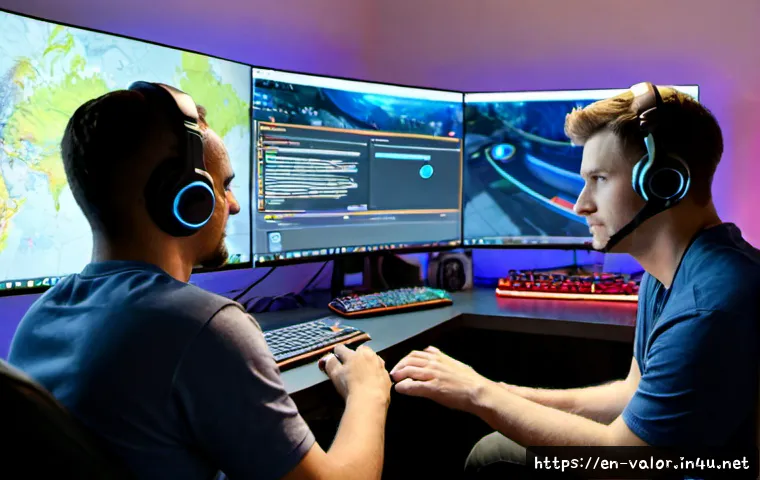
With Valorant’s ever-growing player base, teaming up with newcomers has become a common—and exciting—challenge. Whether you’re jumping into ranked matches or casual games, learning to build instant synergy with fresh teammates can make or break your experience.
In today’s fast-paced meta, mastering teamwork quickly isn’t just a skill; it’s a game-changer. Let’s dive into practical strategies that help you connect, communicate, and dominate together from the very first round.
If you’ve ever struggled with coordination or wanted smoother team dynamics, this guide is tailored just for you.
Establishing Clear Communication from the Start
Using Simple Callouts to Avoid Confusion
When you jump into a match with new teammates, the first thing to nail down is clear communication. Avoid overcomplicating your callouts—stick to simple, well-known terms like “mid,” “heaven,” or “site A.” From my experience, when everyone uses a common language, it instantly reduces misunderstandings and helps your team react faster.
If you notice someone struggling with callouts, gently guide them instead of getting frustrated. Remember, new players might not know every map spot yet, so patience goes a long way.
Leveraging Voice and Text Chat Effectively
Voice chat is king in Valorant, but sometimes new players hesitate to jump in. Encourage them by setting a friendly tone and leading by example. If voice isn’t an option, don’t underestimate the power of quick, clear text messages.
Phrases like “rotating,” “spike down,” or “enemy spotted” can make all the difference. In my games, I always mix voice and text depending on how my teammates respond, which helps keep everyone informed and engaged without overwhelming them.
Establishing a Basic Strategy Before the Round
Before the round starts, spend 10-15 seconds to quickly agree on roles or who’s watching what angle. It doesn’t need to be a full-blown plan but something like “I’ll hold mid, you cover long” sets expectations and builds trust.
This small habit has helped me avoid awkward moments where two players end up peeking the same spot or leave a critical area undefended. It’s a simple but powerful way to start syncing up right away.
Adapting Your Playstyle to Complement New Teammates
Identifying Strengths and Weaknesses Quickly
One trick I’ve picked up is observing how your new teammates approach the game in the first few rounds. Are they aggressive entry fraggers or more passive, holding angles?
Once you get a feel for their style, adapt accordingly—if someone’s rushing in, play more supportive or cover their flank. If they’re cautious, you might take the lead on pushing.
This flexibility makes your team more balanced and less likely to clash in tactics.
Supporting Without Overstepping
Supporting a new player can be a delicate balance. You want to help without taking over their gameplay or making them feel useless. For example, if a teammate is trying to clutch, offer moral support through quick positive comments like “You got this” or “Nice hold.” Avoid micromanaging or criticizing during the heat of the moment.
From what I’ve seen, encouragement boosts morale and keeps the team atmosphere positive, which translates to better coordination overall.
Sharing Useful Tips Mid-Game
If you notice a teammate struggling with positioning or utility usage, don’t wait until the match ends to give feedback. Share quick, actionable tips between rounds.
For example, “Try using your smoke here to block sightlines” or “Hold this angle longer to catch rotations.” Keep it brief and friendly, focusing on what worked for you rather than what they did wrong.
I’ve found this approach helps new players improve without feeling overwhelmed or judged.
Building Trust Through Consistent Team Behavior
Reliability in Your Actions
Trust is built when teammates know what to expect from you. If you say you’ll hold a site or watch a flank, stick to it. Consistency in your gameplay creates a dependable environment where new players feel safe to experiment and learn.
I’ve personally noticed that once my teammates realize I’m reliable, they start coordinating more confidently and call out more freely, which boosts overall team synergy.
Encouraging Positive Reinforcement
Nobody likes a toxic teammate, especially when they’re new. Make it a habit to praise good plays, even small ones like landing a crucial headshot or successfully defusing the spike.
Positive reinforcement can turn a shaky team into a motivated unit. In my experience, when you celebrate progress, it encourages everyone to keep improving and communicating more openly.
Handling Mistakes Gracefully
Mistakes happen, especially with fresh players learning the ropes. Instead of calling out errors harshly, try reframing them as learning moments. Saying something like, “Don’t worry, I’ve done that too” or “Next round, let’s try this” helps keep the mood light and focused on improvement.
This attitude not only keeps team morale high but also speeds up the learning curve for everyone involved.
Maximizing Utility Usage with New Teammates
Coordinating Utility for Entry and Defense
Utility is one of the trickiest parts for new players to master, so coordinating its use is key. Before executing a push, quickly call out what abilities you plan to use and ask if your teammate has complementary utility ready.
For example, pairing a flash with a smoke can create a perfect window to take a site. From personal experience, this kind of coordination reduces wasted abilities and increases successful site takes or defenses.
Teaching Basic Utility Timings
Helping new players understand when to deploy their utility can drastically improve team efficiency. Share tips like “Use your molly after planting spike to block defuse” or “Save your flash for enemy peek, not random spots.” I often find that walking through these timings during downtime or between rounds helps teammates feel more confident and purposeful with their utility, which ultimately benefits the whole squad.
Adapting Utility Usage Based on Team Composition
Every team comp in Valorant has unique utility synergies. When teamed with fresh players, try to identify which agents’ abilities complement each other and suggest combos.
For instance, combining a Sage wall with a Raze grenade can trap enemies effectively. I’ve noticed that sharing these insights mid-game helps new players understand their agents better and feel more involved in strategic plays.
Reading the Game and Sharing Intel Effectively
Quick Enemy Position Reporting
New teammates often hesitate to call out enemy locations, which can cost rounds. Encourage prompt, concise intel sharing like “One enemy heaven” or “Two pushing mid.” This information helps your team adjust and play smarter.
When I started emphasizing quick calls in my matches, I saw a noticeable improvement in our rotations and defensive setups.
Predicting Opponent Strategies Together
Developing the ability to anticipate enemy moves is a skill that grows with team trust. Invite your teammates to share their thoughts on where enemies might be or what their next move could be.
This collective brainstorming, even if imperfect, fosters teamwork and sharpens everyone’s game sense. I’ve found that this shared prediction often leads to clutch plays and smarter utility usage.
Using Pings and Markers for Visual Intel
Not everyone is comfortable with voice chat, so using in-game pings and markers becomes crucial. Show new players how to ping enemy locations, danger zones, or strategic points to communicate silently.
In my games, combining voice calls with visual pings makes it easier for everyone to stay on the same page, especially during chaotic moments.
Establishing Roles and Responsibilities Quickly
Assigning Simple Roles Based on Strengths
When teaming with newcomers, assigning clear but simple roles like entry fragger, lurker, or support can help avoid confusion. You don’t need a detailed breakdown—just a basic understanding of who’s doing what each round.
I’ve seen that this clarity allows new players to focus on their tasks and feel less overwhelmed, which improves overall team cohesion.
Rotations and Backup Plans Made Easy
Explain rotation concepts in straightforward terms, like “If site A is lost, fall back to B.” Having backup plans that everyone understands reduces panic and missteps.
Personally, I like to keep these plans flexible but clear, making sure everyone knows when and how to rotate. This approach prevents chaotic scrambles and keeps the team organized.
Encouraging Initiative Without Chaos
While roles are important, encourage new teammates to take initiative when they feel confident, but remind them to communicate their decisions. This balance prevents the team from fracturing while allowing players to grow their skills.
From my experience, when players take ownership but keep the team informed, it builds a dynamic and adaptable group.
| Key Strategy | Why It Works | Example from Experience |
|---|---|---|
| Simple Callouts | Reduces confusion and speeds up reactions | Using “mid” and “heaven” helped my team clutch a crucial round |
| Adapting Playstyle | Creates balanced team roles and better synergy | Switching to support when my teammate rushed in saved us multiple rounds |
| Positive Reinforcement | Keeps morale high and encourages improvement | Praising a clutch ace boosted team confidence for the rest of the match |
| Utility Coordination | Maximizes effectiveness of abilities | Pairing smokes and flashes led to clean site takes |
| Quick Intel Sharing | Improves rotations and defensive setups | Calling out enemy positions early helped us avoid ambushes |
| Clear Role Assignment | Prevents overlap and confusion | Assigning entry and lurker roles streamlined our pushes |
Wrapping Up
Clear communication and adapting your playstyle are the cornerstones of building a strong team, especially with new players. By fostering trust, offering positive support, and coordinating effectively, you can elevate everyone’s gameplay. Remember, patience and encouragement go a long way in creating a fun and winning environment. Keep these strategies in mind, and you’ll notice your team chemistry improve round after round.
Helpful Tips to Remember
1. Always use simple and consistent callouts to minimize confusion and speed up team reactions.
2. Mix voice and text chat based on what your teammates are comfortable with to keep communication flowing smoothly.
3. Take a moment before each round to set roles and basic strategies, so everyone knows their responsibilities.
4. Offer encouragement and constructive tips during the game to help new players grow without feeling overwhelmed.
5. Coordinate utility usage carefully, and share quick intel to maintain control over the map and enemy movements.
Key Takeaways
Establishing clear and patient communication sets the foundation for teamwork with new players. Adapt your approach by recognizing teammates’ strengths and supporting them without dominating. Consistency in your role and positive reinforcement build trust and morale, leading to better coordination. Coordinated utility use and timely intel sharing give your team a strategic edge. Lastly, defining simple roles and backup plans keeps everyone aligned and confident throughout the match.
Frequently Asked Questions (FAQ) 📖
Q: uestionsQ1: How can I quickly build synergy with new teammates in Valorant?
A: The key to fast synergy is clear and concise communication from the start. Introduce yourself briefly, share your agent choice, and ask about theirs. Use simple callouts and focus on positive reinforcement—compliment good plays or smart moves to boost morale.
Also, adapting your playstyle to complement your teammates’ strategies, like covering their flanks or coordinating ultimates, helps create a smooth team flow even if you just met.
From my experience, taking a few seconds early in the match to align roles and plans makes a huge difference.
Q: What are the best communication tips when playing with newcomers in ranked matches?
A: When playing ranked with newcomers, patience is crucial. Avoid jargon or overly complex calls that might confuse them. Stick to basic, actionable phrases like “enemy spotted mid,” “I’m planting spike,” or “need backup on site.” Encouraging questions and offering quick tips can make them feel included rather than overwhelmed.
I’ve noticed that teammates respond better when the tone is friendly and supportive instead of critical. This approach not only improves teamwork but also helps everyone stay focused under pressure.
Q: How do I handle situations where team coordination fails early in the game?
A: It’s frustrating when coordination breaks down, but staying calm is essential. If the team isn’t syncing well, try to reset by suggesting a simple plan for the next round—like grouping up or focusing on defense.
Leading by example through consistent, reliable play can inspire teammates to follow suit. Also, avoid blaming others; instead, encourage a mindset of learning and adapting.
From my own matches, I found that a quick pep talk or light humor can defuse tension and get everyone back on track faster than dwelling on mistakes.