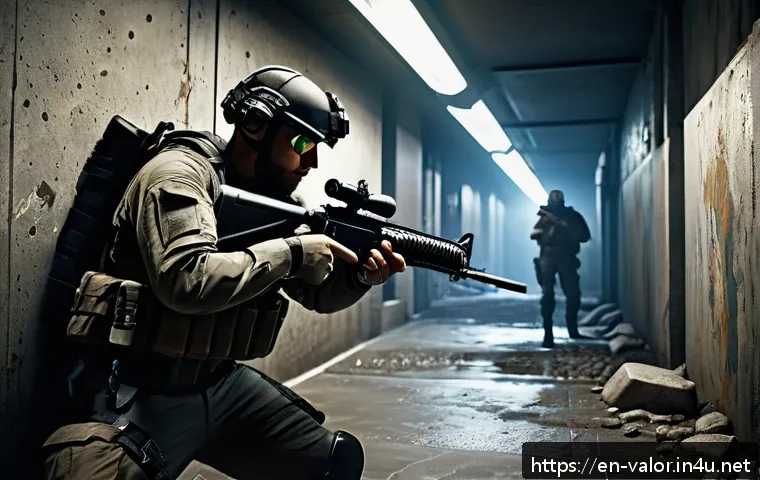
A realistic guide to the new-player Valorant experience: first-match pressure, agent choices, aim practice, team communication, and whether gaming gear or optional cosmetics are worth the spend.
Valorant is free to play, and new players can enjoy it without buying cosmetics or expensive gaming gear. The early experience can feel demanding because every round rewards aim, timing, map awareness, and teamwork at once.
A comfortable mouse, clear audio, and stable controls may make learning less distracting, but they do not replace practice. Start with one agent, use practice options to learn your controls, and treat losses as information rather than proof that you are bad at the game.
Cosmetic purchases only change appearance, so they are best viewed as optional entertainment spending. If you are returning to PC games, give yourself time to adjust before deciding whether a gaming headset, mouse, or in-game skin is worth buying.
At a Glance
- Expect a learning curve: Valorant combines precise shooting with agent abilities and team-based tactical rounds.
- A free setup is enough to begin: paid cosmetics offer no direct gameplay advantage, and basic practice teaches more than early spending.
- Improve one layer at a time: focus on aim, map knowledge, agent utility, and communication instead of trying to master everything immediately.
| Option | What It Changes | Best Fit | Value to Consider |
|---|---|---|---|
| Free setup | Lets you learn the game, controls, roles, and personal preferences. | Anyone playing their first matches. | Best starting point before buying anything. |
| Entry-level gaming headset or mouse | May improve comfort, audio clarity, or control consistency. | Players bothered by uncomfortable gear or unclear audio. | Compare comfort, connection type, and basic features. |
| Cosmetic spending | Changes weapon or player-card appearance. | Players who already enjoy the game and want visual personalization. | Entertainment value only; no direct gameplay benefit. |
What a First Week in Valorant Usually Feels Like
The first week is usually more about processing information than winning consistently. Valorant is a free-to-play tactical first-person shooter published by Riot Games. Matches generally use a 5v5 format, with attackers and defenders switching sides. That structure makes each round feel important, especially when you are still learning where opponents may appear.
The Immediate Difference Between Casual Shooters and Tactical Rounds
In a tactical round, shooting is only part of the job. You also need to notice teammate positions, listen for useful audio, choose when to move, and understand what your agent can do. A fast reaction helps, but good positioning and controlled decisions often matter before the first shot is fired. Do not expect the game to feel simple during your first sessions.
Why Early Losses Can Feel More Intense Than Expected
Because rounds have clear outcomes, a missed shot or poorly timed ability can feel highly visible. That pressure is normal, but it is not a reason to rush your learning. Try to leave each match with one small lesson: where you were exposed, whether you moved while shooting, or whether an ability had a clearer purpose.
A Realistic Expectation for Improvement
Improvement is rarely one dramatic jump. It is usually a series of smaller changes: keeping your crosshair in a more useful place, recognizing a route on a map, or saving an ability until it helps the team. Choose one skill to review at a time so that every match does not become an overload of corrections.
Start With the Basics: What New Players Need Before Their First Matches
You do not need a premium PC gaming setup to find out whether Valorant suits you. Begin by making your controls comfortable and using available practice options. A setup that feels predictable is more useful than copying another player’s sensitivity or buying accessories before you know what actually bothers you.
Account Setup, Practice Options, and Comfortable Controls
Before taking matches too seriously, spend time with your key bindings, mouse movement, and crosshair comfort. The goal is not to find a universally perfect setting. The goal is to make your setup feel consistent enough that you can focus on decisions. If a control feels awkward, change it deliberately and give yourself time to adjust.
Free Setup vs. Entry-Level Headset and Mouse Upgrades
A basic gaming headset can be practical if your current audio makes team communication difficult or feels uncomfortable during longer sessions. An entry-level gaming mouse may be worth comparing if your current mouse tracks poorly, feels uncomfortable, or has unreliable buttons. Look at comfort, wired or wireless connection, fit, and straightforward controls rather than assuming the most expensive option will improve performance.
What Not to Buy Before Understanding Your Preferences
Avoid buying a mouse, monitor, headset, or cosmetic bundle simply because it appears in a highlight clip or recommendation list. Individual comfort and preference matter. Likewise, do not assume a sensitivity setting, audio product, or display upgrade will create a specific result. Learn what limits your experience first, then compare products based on that need.
Choosing a First Agent Without Overcomplicating It
Your first agent should make learning clearer, not add extra confusion. Agents have different roles and ability kits, so a good early choice is one whose tools you can understand and repeat with purpose.
Learning Roles: Duelist, Controller, Initiator, and Sentinel
Duelists often suit players who want to take direct fights. Controllers focus on shaping space and limiting visibility. Initiators can help create openings or gather information, while Sentinels support defensive control and protection. These labels are useful starting points, but no role guarantees that an agent will feel natural to you.
Simple Criteria for Picking an Agent to Practice
Choose an agent based on three questions: Do I understand what the abilities are meant to do? Can I remember to use them without panicking? Do I enjoy the role’s basic job? Clarity is more valuable than complexity when you are new. Pick one agent, learn a few reliable uses for the kit, and expand later.
Why Switching Agents Every Match Can Slow Early Learning
Trying every agent can be fun, but constant switching makes it harder to see what caused a good or bad round. Staying with one agent for several sessions helps separate aim problems from utility problems. Once the basics feel familiar, experimenting becomes more useful and less overwhelming.
Common New-Player Mistakes and How to Avoid Them
The most common mistakes are fixable habits, not permanent weaknesses. Start with the errors that appear often, then make one practical adjustment.
Moving While Shooting and Ignoring Crosshair Placement
New players often shoot while still moving or keep the crosshair pointed at the floor, wall, or open space. Try to pause before firing and keep your crosshair closer to likely opponent height as you move through an area. This does not guarantee a win, but it gives you a more prepared starting position.
Using Abilities Without a Purpose
An ability is more useful when it answers a question: Are you blocking a sightline, helping a teammate enter, checking an area, or protecting a position? Using utility immediately because it is available can leave you without options later. Before using it, ask, “What problem does this solve right now?”
Letting Difficult Teammates Ruin the Learning Experience

Voice and text communication can improve coordination, but not every interaction is helpful. Use available mute and reporting tools when communication becomes distracting or unpleasant. Protecting your focus is not avoiding teamwork; it is creating a better space to learn the game.
Different Ways to Enjoy the Game: Casual Practice vs. Competitive Improvement
Valorant does not have to be approached as a constant performance test. Your best routine depends on whether you want a relaxed session, structured improvement, or a shared activity with friends.
For Players Who Want Short, Low-Pressure Sessions
Keep the goal small. Play to experience the tactical rhythm, test an agent, or improve one basic habit. Avoid judging the whole game from one difficult match. If the pacing is not enjoyable for you, that is useful information too.
For Players Who Want Structured Aim and Map Practice
Use practice time to isolate one topic: stopping before shooting, placing your crosshair more carefully, or learning how an agent’s abilities affect space. Then bring that one focus into matches. A simple routine is easier to maintain than trying to improve aim, utility, communication, and map knowledge at the same time.
For Friends Deciding Whether to Queue Together
Playing with friends can make the early learning process less stressful because you can communicate and laugh through mistakes. It also helps to agree on expectations: are you experimenting, practicing seriously, or just spending time together? Clear expectations prevent a casual queue from turning into unwanted pressure.
Choosing Your Setup and Spending Priorities
Spend only after you can name the problem a purchase would solve. If your current gear is comfortable and functional, free practice is the sensible first investment. If audio is unclear or your mouse is uncomfortable, compare entry-level gaming headset and gaming mouse options based on practical features rather than performance promises.
When a Headset or Mouse Is a Practical Upgrade
A headset can be worth considering when comfort, microphone use, or audio clarity is consistently getting in the way. A mouse upgrade can be reasonable when your current device feels unreliable or difficult to control. Check product specifications, compatibility, return terms, and user comfort details on the relevant product page before deciding.
Why Cosmetics Should Be Treated as Entertainment Spending
Valorant cosmetics can change weapon or player-card appearance, but they do not provide direct gameplay advantages. Buy them only if you already enjoy the game and the visual value feels worthwhile to you. Store prices, bundles, availability, and regional payment options can change, so review current in-game details before purchasing.
A Simple Checklist Before Buying Gear or In-Game Items
- Can I clearly describe the comfort or usability problem?
- Have I played enough to know that I enjoy the game’s pacing?
- Does this headset, mouse, or cosmetic solve a real preference rather than a temporary frustration?
- Have I checked current product details or in-game purchase conditions?
- Would I still feel comfortable with this purchase if it did not improve my results?
Selection Criteria and Comparison Summary
Start free if you are still deciding whether tactical rounds and team communication fit your play style. Consider a basic gaming headset when comfort or clear communication is the issue, and compare a gaming mouse when control or reliability is the issue. Keep cosmetics separate from performance decisions because they are visual extras. Before buying, check compatibility, comfort features, current pricing, regional availability, and purchase terms on the relevant page.
Final Thoughts
Valorant can feel intense for new players, but the game becomes easier to read when you break it into smaller skills. Learn one agent, keep your controls comfortable, and let practice reveal what you actually need. A better setup may improve comfort, while cosmetics can make the experience more personal. Neither is required to begin enjoying the game.
Useful Things to Know
1. Teams generally play 5v5, with attackers and defenders switching sides during a match.
2. Agent abilities are part of the tactical layer, not a replacement for basic aim and positioning.
3. Mute and reporting tools are available when voice or text communication becomes unhelpful.
4. Current game modes, agents, seasonal content, and store offerings should be checked in the game or through official information.
Important Notes
Enjoyment, performance, preferred settings, and ideal hardware vary by player. No specific mouse, headset, monitor, agent, or sensitivity setting can guarantee better results. In-game pricing, bundles, payment options, and content availability may vary by region and can change over time.
Frequently Asked Questions
Q1. Is Valorant beginner-friendly if I have never played a tactical shooter?
A1. It can be approachable because it is free to play and lets you learn through practice and matches, but the tactical pace can feel demanding at first. Focus on basic aim, movement, one agent, and simple communication rather than expecting immediate confidence.
Q2. Do I need an expensive gaming mouse or headset to enjoy Valorant?
A2. No. A functional and comfortable setup is enough to start. Consider an entry-level gaming headset or mouse only if your current equipment has a clear comfort, audio, control, or reliability issue.
Q3. Are Valorant skins worth buying for a new player?
A3. Skins can be worth it if you enjoy the visual customization and view them as entertainment spending. They do not provide direct gameplay advantages, so it is usually sensible to play first and review current in-game purchase details before deciding.