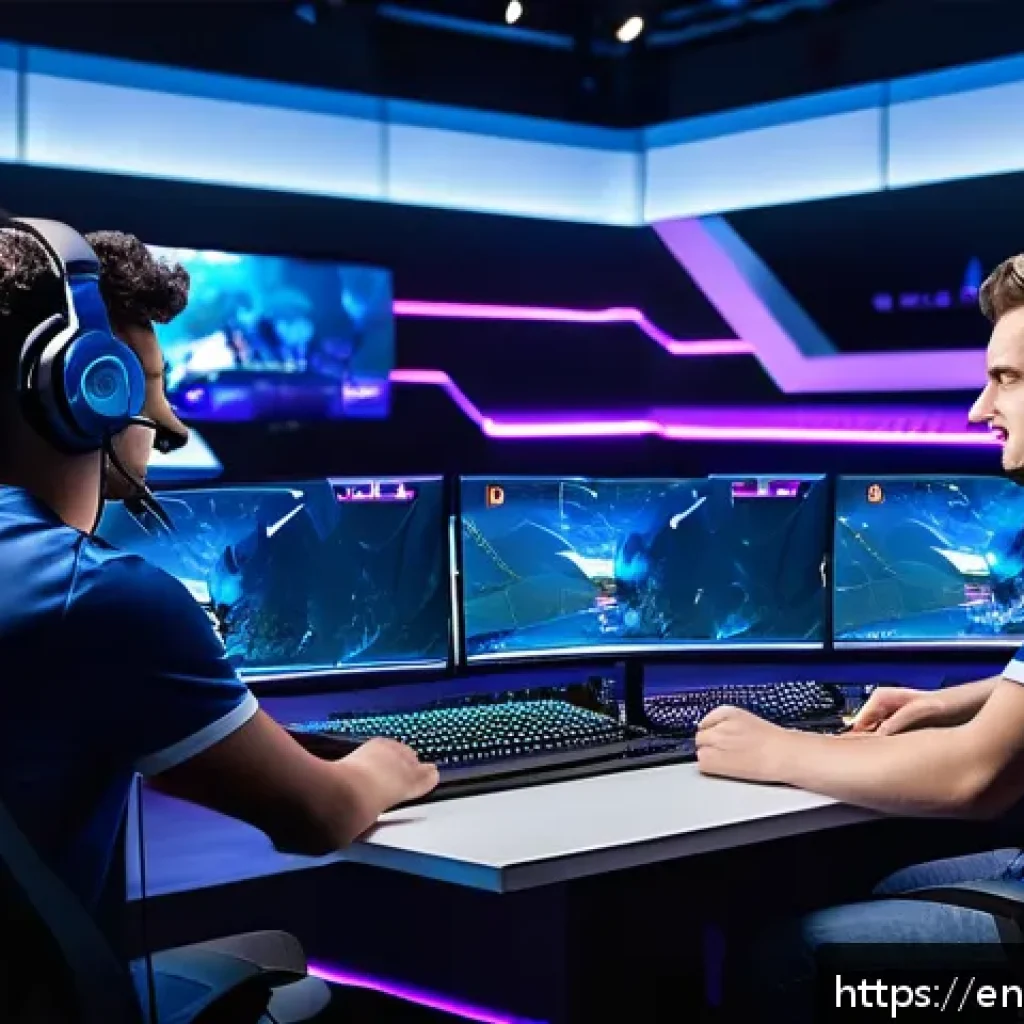
With Valorant’s explosive growth in the esports scene, the demand for engaging and insightful commentary has never been higher. Whether you’re a seasoned caster or just stepping into the world of esports broadcasting, mastering the art of Valorant commentary can set you apart and captivate your audience from the first round.
In today’s fast-paced competitive landscape, keeping viewers hooked requires more than just calling out plays—it’s about storytelling, energy, and expertise.
If you’ve ever wondered how top commentators keep the excitement alive and build loyal followings, you’re in the right place. Let’s dive into the essential tips that will elevate your game and make your commentary truly unforgettable.
Crafting a Narrative That Hooks Your Audience
Understanding the Flow of the Game
To truly capture your audience’s attention, you need to think beyond just describing what’s happening on screen. Valorant is a game of momentum swings and strategic depth, and your commentary should reflect that dynamic nature.
When you observe a round, try to anticipate potential plays based on team tendencies or map control. This forward-thinking approach lets you build suspense and guide viewers through the story unfolding in real time.
For example, if a team consistently favors aggressive pushes on a certain site, hinting at their possible next move can keep viewers on edge and eager to see if they follow through.
Weaving Player Stories into the Action
Every player has a unique style, strengths, and moments of brilliance that can be highlighted to enrich your broadcast. When you introduce players, don’t just name their roles or stats—share what makes them stand out.
Maybe a particular duelist is known for clutch plays or an agent specialist always nails key utility usage. By injecting these personal stories, you make the game more relatable and create emotional investment for your viewers.
I remember casting a match where a rookie player’s nerves were palpable, and sharing that background made their eventual highlight moments feel like a shared victory with the audience.
Balancing Excitement with Clarity
It’s easy to get carried away with high-energy shouting when the action heats up, but overdoing it can exhaust your viewers or confuse them. The trick is to modulate your tone—raise the excitement when a clutch is brewing or a round is close, but dial it back during slower moments to allow analysis and reflection.
This ebb and flow keeps your broadcast fresh and prevents burnout. From my experience, pacing your energy helps retain viewers longer, as they feel engaged but not overwhelmed.
Mastering the Technical Vocabulary Without Alienating Newcomers
Explaining Terms Naturally
Valorant’s jargon can be intimidating to newcomers, so part of your job is to make the broadcast accessible. When you mention terms like “peek,” “eco round,” or “post-plant,” briefly clarify them in a way that feels conversational, not like a lecture.
For instance, saying “an eco round means the team is saving money this round, so they’re likely to play more cautiously” helps new viewers understand the stakes without breaking the flow.
I often find that blending explanations seamlessly with the action keeps everyone on the same page.
Using Jargon to Build Credibility
While simplifying is important, sprinkling in well-timed technical terms shows that you’re knowledgeable and confident. This balance earns respect from hardcore fans who appreciate an expert voice, while still welcoming casual viewers.
When I first started, I noticed how seasoned casters effortlessly pepper their commentary with agent abilities’ names, map callouts, and team strategies, which instantly established authority.
Emulating this without sounding robotic is key.
Adapting Your Language Based on the Audience
Different platforms attract different viewer types, so tailoring your vocabulary can make a big difference. For Twitch streams with a lot of casual viewers, lean toward simpler explanations and energetic vibes.
For tournament broadcasts with a hardcore audience, dive deeper into strategy and use more specialized terms. I remember adjusting my commentary style drastically between community events and professional leagues, which improved engagement and chat interaction significantly.
Capturing the Energy of Each Moment
Matching Your Tone to the Action
Valorant is fast-paced, and your vocal energy should reflect the intensity without becoming monotonous. Quick kills, clutch plays, or a surprise spike plant call for bursts of excitement, while slower, tactical moments benefit from a more measured tone.
When I cast a particularly nail-biting overtime, I consciously shifted from a calm analytical voice to an animated, almost breathless style as the final round unfolded.
This contrast keeps the audience emotionally invested.
Using Silence and Pauses Effectively
It might sound counterintuitive, but well-timed pauses can amplify the impact of a play or build suspense. When a player is lining up a clutch, a brief moment of silence before the action lets viewers feel the tension.
I’ve learned that not filling every second with words allows the visuals and crowd reactions to breathe, making your commentary feel more natural and immersive.
Injecting Personality Without Overshadowing the Game
Your unique voice is what sets you apart, but it’s important to let the game shine. Adding humor, personal anecdotes, or relatable reactions creates a connection with viewers, but always keep the focus on the gameplay.
I often share quick stories or light jokes during downtime, which makes the broadcast feel like a conversation with friends rather than a sterile play-by-play.
Building Rapport with Your Co-Casters and Audience
Communicating Seamlessly on Air
If you’re working with a co-caster, chemistry is everything. Good banter, respectful disagreement, and smooth transitions enhance the viewing experience.
I’ve found that pre-game discussions about tone and roles help avoid awkward overlaps and keep the flow natural. When my co-caster and I sync well, the broadcast feels like a dynamic dialogue, which viewers really appreciate.
Engaging with the Chat and Social Media
Interacting with viewers outside the broadcast builds loyalty and creates a sense of community. Answering questions, acknowledging fan comments, or even incorporating viewer insights during downtime encourages active participation.
I make it a point to check chat frequently and highlight interesting points, which makes viewers feel valued and more likely to return.
Handling Criticism Constructively
No matter how experienced you are, feedback—positive or negative—is inevitable. Embracing constructive criticism and showing growth publicly boosts your credibility.
I remember early on, viewers pointed out when I missed key plays, and by acknowledging those moments and improving, I gained their trust. Transparency and humility go a long way in this space.
Utilizing Data and Stats to Enrich Commentary
Highlighting Key Metrics in Real Time
Numbers can add depth to your analysis if used judiciously. Kill/death ratios, economy status, or agent pick rates provide context that casual viewers might miss.
I like to prepare key stats beforehand and weave them into the commentary without overwhelming the listener. For example, noting that a player has a 75% headshot rate this match can explain their dominance and build hype.
Interpreting Trends and Patterns
Beyond raw numbers, spotting trends—like a team’s preference for certain agents or repeated strategies—adds insight. These observations can help viewers anticipate what might happen next.
I once noticed a team’s repeated mid-round aggression and used that to predict a surprise flank, which turned out to be a turning point in the game.
Balancing Stats with Storytelling
While stats are valuable, they shouldn’t replace the human element of commentary. Numbers support your narrative but don’t overshadow the emotions and drama of the match.
I always try to connect stats back to player stories or moments of pressure, making the broadcast more engaging and memorable.
Technical Setup and Preparation for Smooth Broadcasts
Optimizing Your Audio and Video Quality
Nothing kills viewer engagement faster than poor sound or choppy visuals. Investing in a quality microphone and ensuring a stable internet connection are musts.
From personal experience, using a noise gate and compressor helps maintain clear audio even during intense moments. Testing your setup before the broadcast avoids frustrating technical glitches that can distract from your commentary.
Preparing Research and Notes
Going into a match without preparation is a missed opportunity. I keep detailed notes on team rosters, recent performance, map statistics, and key players’ tendencies.
Having this information at your fingertips lets you provide informed insights on the fly. I use a dual-monitor setup to glance at stats without breaking eye contact with the game.
Practicing Delivery and Timing
Like any performance, practice improves your flow and confidence. Rehearsing different scenarios—like clutch calls, slow rounds, or explosive team fights—helps you react smoothly during live broadcasts.
Recording yourself and reviewing the footage also highlights areas to improve. This preparation makes the difference between a good caster and a great one.
| Aspect | Tips for Improvement | Common Pitfalls |
|---|---|---|
| Narrative Building | Anticipate plays, highlight player stories, balance excitement | Over-explaining, lack of emotional connection |
| Technical Vocabulary | Explain jargon naturally, tailor language to audience | Too much jargon, confusing beginners |
| Energy & Tone | Match tone to action, use pauses, inject personality | Monotone delivery, constant shouting |
| Co-Casting & Engagement | Coordinate with co-caster, interact with chat, handle criticism | Interruptions, ignoring viewers, defensiveness |
| Data Usage | Integrate key stats, interpret trends, balance numbers with stories | Overloading with stats, dry delivery |
| Technical Setup | Invest in quality gear, prepare notes, practice delivery | Poor audio/video, lack of preparation |
Adapting to the Evolving Meta and Audience Preferences
Staying Updated with Game Changes
Valorant’s frequent patches and agent updates constantly shift the competitive landscape. Keeping abreast of these changes allows you to provide relevant commentary and avoid sounding outdated.
I subscribe to official patch notes and watch pro matches regularly to stay in the loop. Sharing your take on how meta shifts affect team strategies adds valuable insight for your audience.
Listening to Viewer Feedback
Audience tastes evolve, and successful casters adapt accordingly. Regularly soliciting feedback through polls or social media helps you tune your style and content to what viewers enjoy most.
I noticed that adding more in-depth analysis after matches increased viewer retention, so I incorporated post-game breakdowns into my streams.
Innovating Your Content Delivery
Experimenting with different formats—like highlight reels, guest analyst segments, or interactive Q&A—can differentiate you in a crowded space. I tried hosting “viewer challenge” rounds where fans suggest scenarios, which boosted engagement and made the broadcast more interactive.
Staying creative keeps your content fresh and exciting.
In Closing
Mastering the art of Valorant commentary is about more than just narrating the gameplay; it’s about connecting with your audience through storytelling, energy, and insight. By blending technical knowledge with genuine passion and adapting to your viewers’ needs, you can create broadcasts that are both engaging and memorable. Keep refining your style, stay informed, and most importantly, enjoy the journey of sharing this exciting game with others.
Helpful Information to Remember
1. Anticipate gameplay and build suspense by understanding team strategies and momentum shifts.
2. Make technical jargon accessible by weaving natural explanations into your commentary.
3. Balance your vocal energy by matching tone to the pace of the action and using pauses effectively.
4. Foster community by interacting with viewers and maintaining smooth, respectful co-casting dynamics.
5. Stay current with game updates and audience preferences to keep your content fresh and relevant.
Key Takeaways
Successful Valorant commentary hinges on a delicate balance between storytelling and analysis. Engaging your audience requires anticipation of plays, clear but confident use of game terminology, and a dynamic vocal presence that reflects the match’s intensity. Building rapport with both co-casters and viewers enhances the experience, while integrating stats and trends adds depth without overwhelming. Finally, thorough preparation and adaptability to the evolving meta ensure your broadcasts remain professional and compelling.
Frequently Asked Questions (FAQ) 📖
Q: uestionsQ1: How can I keep my Valorant commentary engaging throughout a long match?
A: Staying engaging in Valorant commentary is all about balancing energy and informative insight. From my experience, mixing high-energy reactions during clutch plays with thoughtful analysis of strategies keeps viewers hooked.
It helps to tell a story—highlight player mindsets, team dynamics, and shifting momentum. Also, pacing your excitement so it doesn’t wear out too quickly is key.
Use varied tone and avoid monotonous delivery. Remember, your passion is contagious; if you sound genuinely excited, your audience will feel it too.
Q: What are the most important skills to develop for a beginner in Valorant casting?
A: For beginners, focusing on clear communication and game knowledge is essential. You want to be able to describe the action crisply without overwhelming your audience with jargon.
Watching professional matches and listening to veteran casters can teach you timing and phrasing. It also helps to practice by casting recorded games, so you can improve without the pressure of live broadcasting.
Over time, developing a unique voice and style—whether analytical, hype-focused, or storytelling—will set you apart.
Q: How do top Valorant commentators build loyal audiences and keep them coming back?
A: Top commentators create loyal followings by building trust and consistently delivering value. They combine expert insights with relatable, entertaining personalities that resonate with viewers.
Interacting with the community via social media or live chats helps deepen connections. Consistency in streaming schedules and quality content also plays a big role.
From my experience, sharing personal anecdotes and reacting authentically to the game creates a sense of camaraderie, making fans eager to return for the next match.




Contents
Mastering Valorant Esports Commentary Tips to Captivate Your Audience Like a Pro