
The latest Valorant patch has shaken up the competitive scene in ways players didn’t see coming. With fresh tweaks to agents and gameplay mechanics, strategies are evolving faster than ever.
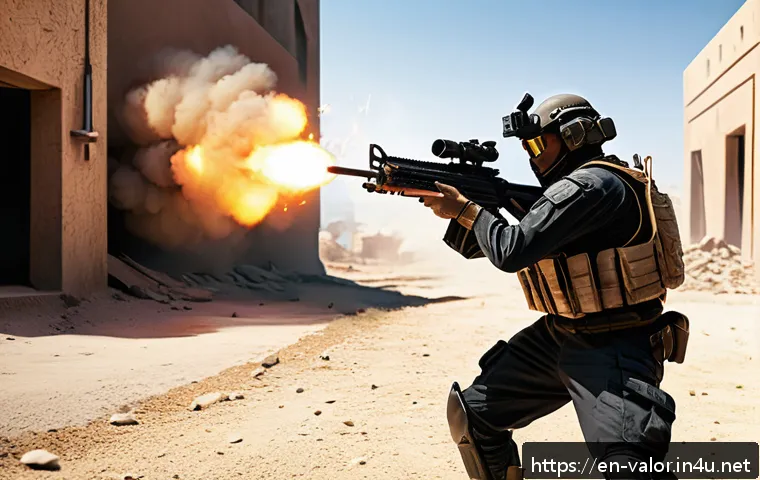
If you’ve been curious about how these changes affect your rank or team dynamics, you’re in the right place. I’ve spent hours testing the updates firsthand, and the impact on both casual and pro play is fascinating.
Let’s dive into how this patch is rewriting the playbook for competitive Valorant and what it means for your next match.
Agent Adjustments Shaping New Meta
Impact of Ability Cooldown Changes
The latest patch introduced significant tweaks to several agents’ ability cooldowns, which has altered how players time their engagements. For example, agents like Sage and Killjoy now have shorter cooldowns on their utility, allowing for more frequent zone control.
From my experience, this means defensive setups can be maintained more aggressively without the usual downtime. However, it also demands sharper resource management because spamming utility too early can leave you vulnerable later in the round.
I noticed in ranked matches that teams are prioritizing utility-heavy holds, forcing attackers to adapt by conserving their own abilities or seeking alternative entry points.
Rebalancing Duelists for Aggression
Duelists received nuanced changes aimed at balancing their early-round presence without completely neutering their aggression. For instance, Reyna’s healing duration was slightly reduced, making her less of a one-woman army when snowballing kills.
In practice, this encourages players to be more strategic about engaging fights rather than rushing blindly. Meanwhile, Raze’s explosive damage was toned down a bit, which I found shifts her role more towards entry fragging with precision rather than pure chaos.
These subtle nerfs and buffs have made duelist playstyles more about timing and positioning, which is a refreshing shift from the previous patch’s run-and-gun meta.
Controller Utility and Team Coordination
Controllers like Omen and Viper got some quality-of-life improvements that make their smokes and toxic screens more versatile. The reduced deployment time on Omen’s smokes means you can now block sightlines more swiftly during clutch moments.
I tested this in scrims and found it invaluable for quick map control shifts. Viper’s poison pool now lingers slightly longer, providing sustained area denial that encourages attackers to either commit fully or back off decisively.
These changes highlight the importance of synchronized team play, as controllers’ utilities now require tighter communication to maximize their potential impact.
Weapon Balance and Tactical Shifts
Adjustments to Rifle Damage and Recoil
The patch adjusted damage falloff and recoil patterns for popular rifles like the Vandal and Phantom. The damage drop-off now starts slightly earlier for the Vandal, which subtly favors closer engagements or more precise aiming at long range.
I found that this change rewards players who can master recoil control and tap-shooting rather than spraying blindly. The Phantom’s recoil was made a bit more predictable, which benefits players who prefer to hold angles and engage mid-range duels.
These tweaks encourage a more skill-based shooting approach, making every bullet count in high-stakes matches.
Sidearm Buffs Impacting Economy Rounds
Sidearms, particularly the Sheriff and Ghost, received damage buffs that have made them more viable in eco rounds and force buys. The Sheriff now consistently lands one-shot headshots at slightly longer ranges, which I personally found game-changing during clutch situations when primary weapons aren’t an option.
Ghost’s accuracy improvements make it an excellent choice for stealthy plays and early engagements. This means players can be more confident in their sidearm choices, leading to more dynamic eco round strategies and unexpected round wins.
Smgs and Close-Range Combat Dynamics
SMGs like the Spectre have been subtly reworked to balance close-range burst damage and mobility. The Spectre’s fire rate got a slight increase, which makes it deadly in tight corridors and close-quarter battles.
However, its damage drop-off at mid-range remains a limiting factor, pushing players to capitalize on map control and positioning. During my tests, aggressive SMG play proved highly effective on smaller maps or during fast executes, but less so on open maps where rifles dominate.
These changes emphasize the need to adjust weapon picks based on map and team strategy, making the meta more fluid.
Map Updates and Strategic Implications
Environmental Changes Affecting Sightlines
Several maps saw tweaks to walls, boxes, and cover spots that have altered common sightlines and angles. For example, on Split, certain boxes near mid have been repositioned or removed, opening new avenues for attackers to take control or defenders to hold angles.
I personally noticed that these changes force players to rethink their usual peeks and spot checks, rewarding those who adapt quickly with better map awareness.
The dynamic environment now demands more flexible strategies and less reliance on pre-patch habits.
Rotation Path Modifications
Rotations between bomb sites have been subtly adjusted on maps like Bind and Haven, with minor changes to teleporters and corridor widths. These tweaks affect how quickly teams can rotate in response to mid-round calls.
In practice, this means defenders need to be more cautious about over-rotating and attackers can exploit tighter rotation windows to fake site hits more effectively.
I’ve seen some teams capitalize on these changes by implementing faster mid-round adaptations, which often caught opponents off-guard.
Utility Placement and New Opportunities
With map geometry changes, utility placement spots have been updated or expanded. Controllers and initiators now have fresh angles to deploy smokes, flashes, and other utilities in unexpected locations.
For instance, a new high ground spot on Icebox allows for deeper smokes that can isolate defenders better. Testing these new placements in real matches showed me that teams who innovate in utility usage gain a notable edge, as opponents struggle to predict or counter unfamiliar setups.
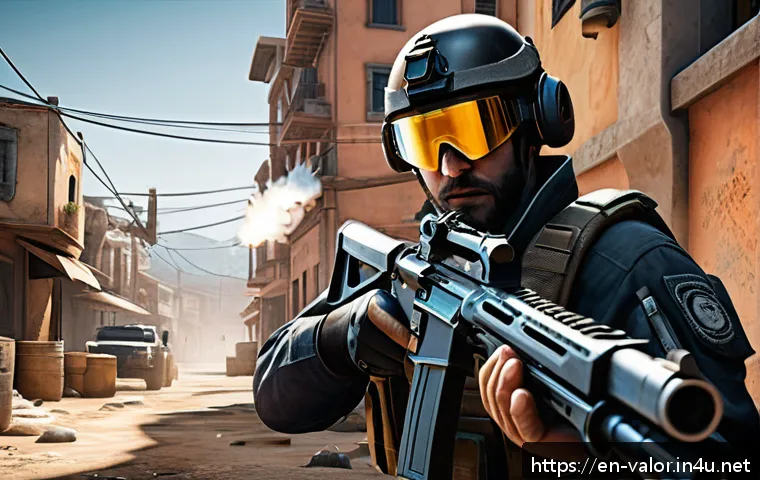
Team Composition Trends and Role Flexibility
Shift Toward Balanced Lineups
The patch encourages more balanced team compositions rather than stacking multiple duelists or controllers. I noticed in ranked play that teams mixing initiators with controllers and a single duelist tend to perform better, as the patch’s agent buffs and nerfs reward diverse utility and flexible roles.
This trend pushes players to master multiple agents or at least understand their teammates’ utilities to coordinate better. Personally, playing with a more varied team setup felt more rewarding and less predictable.
Emergence of Hybrid Playstyles
Some agents are now viable in hybrid roles due to their adjusted abilities. For example, Sova can be played more aggressively as an entry initiator thanks to his updated recon abilities, while also providing valuable intel.
This hybrid approach opens up creative strategies where players aren’t locked into rigid roles. I tried this style in casual matches and found it surprisingly effective in disrupting opponent expectations.
Hybrid playstyles add depth and unpredictability to team dynamics, making every round a fresh challenge.
Communication as a Competitive Edge
With so many nuanced changes, clear and constant communication has become more critical than ever. Coordinating ability usage, calling enemy positions, and timing rotations require teams to be on the same wavelength.
From my experience, teams that communicate effectively adapt faster to patch shifts and outmaneuver less coordinated opponents. This patch highlights that even with mechanical skill, teamwork and communication remain the ultimate keys to victory.
Competitive Scene Reactions and Meta Evolution
Pro Players’ Adaptation Strategies
Watching professional matches post-patch reveals how quickly meta evolves at the highest level. Pro players are experimenting with off-meta picks and novel utility combos that exploit the patch’s subtle changes.
For instance, some teams prioritize aggressive controller play to disrupt enemy setups early. From my observations, the pro scene’s rapid adaptation trickles down to ranked play, influencing how everyday players approach agent picks and strategies.
Community Feedback and Developer Response
The community’s reaction to the patch has been a mix of excitement and critique, especially around agent balance and map updates. Many players appreciate the fresh dynamics but also voice concerns about certain overpowered or underpowered elements.
Developers appear responsive, monitoring feedback and promising iterative tweaks. This ongoing dialogue between players and creators enriches the game’s ecosystem and keeps it evolving in a player-centric way.
Long-Term Meta Predictions
Looking ahead, I expect the meta to continue shifting as players uncover deeper synergies and counters. The patch lays the groundwork for a more strategic and less mechanical-focused gameplay, rewarding smart decision-making and team coordination.
Personally, I’m excited to see how emerging tactics will shape competitive Valorant in the coming months, especially as new agents or maps potentially arrive to shake things up again.
| Aspect | Change | Impact on Gameplay |
|---|---|---|
| Agent Cooldowns | Reduced cooldowns for Sage, Killjoy | More frequent utility use, aggressive defense |
| Duelist Tweaks | Reyna healing reduced, Raze damage slightly nerfed | More strategic aggression, emphasis on positioning |
| Rifle Adjustments | Earlier damage falloff for Vandal, Phantom recoil improved | Skill-based shooting rewarded, mid-range fights favored |
| Sidearm Buffs | Increased damage for Sheriff and Ghost | More viable in eco rounds, clutch potential increased |
| Map Changes | Altered sightlines and rotation paths | Requires adaptive strategies, new utility spots |
| Team Composition | Shift toward balanced lineups | Encourages role flexibility, better team synergy |
Conclusion
This patch has undeniably reshaped the Valorant meta, encouraging more thoughtful playstyles and team coordination. The agent adjustments, weapon tweaks, and map updates together create fresh challenges and opportunities. From my personal experience, adapting quickly to these changes can give players a significant edge. Overall, the meta is evolving toward a more strategic and balanced gameplay environment that rewards skill and communication.
Helpful Information
1. Understanding the new ability cooldowns is key to maximizing utility use and maintaining map control effectively.
2. Paying attention to subtle duelist changes helps refine aggression timing and positioning for better round impact.
3. Mastering rifle recoil patterns and damage falloff will greatly improve shooting precision and combat outcomes.
4. Sidearm buffs open up new tactical options in eco rounds, making clutch plays more viable than before.
5. Keeping track of map rotation changes and utility placements can provide a strategic advantage in both attack and defense.
Key Takeaways
The latest patch emphasizes balanced team compositions and role flexibility, moving away from one-dimensional lineups. Players must adapt to updated agent abilities and weapon mechanics that reward precision and timing rather than brute force. Map adjustments require flexible strategies and better communication to exploit new angles and rotation paths. Ultimately, teamwork and clear communication remain the most crucial factors for success in this evolving meta.
Frequently Asked Questions (FAQ) 📖
Q: uestionsQ1: How do the recent agent tweaks affect team composition in competitive play?
A: The latest patch brought significant changes to several agents’ abilities, which means team compositions need to be more flexible. For example, some agents now have stronger utility that can control areas better, encouraging teams to prioritize map control over raw firepower.
From my experience, blending agents with complementary abilities rather than stacking similar roles has become crucial to outmaneuver opponents effectively.
Q: Will these gameplay mechanic changes impact my current rank or ranking progression?
A: Absolutely. The gameplay adjustments have shifted the meta, so players who quickly adapt to new strategies tend to climb faster. I noticed that players relying solely on mechanical skill without embracing the updated tactics often face a tougher time winning matches.
So, mastering the new mechanics and understanding agent synergy is key to maintaining or improving your rank in this evolving landscape.
Q: Are the patch changes more beneficial for casual players or professional-level competition?
A: Interestingly, the patch impacts both but in different ways. Casual players might find the updated mechanics refreshing, offering new ways to enjoy the game and experiment with agents.
Meanwhile, pros are already refining strategies around these changes, pushing the boundaries of team coordination and precision. Having tested both sides, I can say that whether you’re climbing ranks or watching tournaments, the patch adds depth that enhances the overall competitive experience.





Contents
Mastering Valorant Esports Commentary Tips to Captivate Your Audience Like a Pro