Valorant’s weapon meta is always evolving, shaking up how players approach each match. Recent updates have introduced shifts in gun performance, making some favorites less dominant while bringing overlooked choices into the spotlight.
Whether you’re a casual player or competing at higher ranks, understanding these changes can seriously impact your gameplay strategy. I’ve noticed firsthand how adapting to the new meta can turn the tide in intense rounds.
Ready to dive deeper and see which weapons are ruling the battlefield now? Let’s explore the latest trends in detail!
Shifting Power Dynamics Among Rifles
How the Phantom and Vandal Battle for Dominance
The Phantom and Vandal have always been the go-to rifles for most players, but recent patches have slightly altered their effectiveness. The Phantom’s silenced shots and better accuracy at mid-range still make it a top pick, especially for players who prefer a stealthier approach.
However, the Vandal’s one-shot kill potential at head level remains unmatched in long-range duels. In my recent matches, I noticed that choosing the Phantom on maps with tighter angles, like Bind or Split, gave me a clear edge in clutch situations.
On the other hand, the Vandal still shines on open maps like Haven, where long sightlines favor its high damage per shot. This subtle meta shift means players need to assess map layout and playstyle more carefully when selecting between these two rifles.
Rising Popularity of Alternative Rifles
While the Phantom and Vandal dominate, other rifles like the Guardian and Bulldog are sneaking their way back into competitive play. The Guardian, with its semi-automatic firing mode, rewards precision and patience—ideal for mid to long-range engagements without the spray pattern complexity of the Vandal.
The Bulldog, often underestimated, has become a solid budget-friendly alternative, especially in eco rounds. Its burst-fire mode can surprise opponents when used aggressively.
Personally, I’ve found the Bulldog effective when I want to conserve credits but still maintain respectable damage output. These options add variety to the meta and encourage more adaptive gameplay instead of sticking to the usual picks.
The Role of Economy in Rifle Choices
One key factor influencing rifle meta is the in-game economy. With the frequent economy resets and altered credit gains for kills, players are forced to rethink buying habits.
For example, if your team is low on credits, purchasing a Bulldog or Guardian over the Phantom or Vandal can keep your firepower consistent while saving money for utility or future rounds.
I’ve learned that balancing the economy with weapon effectiveness often dictates the flow of a match more than pure gun skill. This layer of strategic depth makes rifle selection a much more dynamic and exciting decision than it used to be.
Shotguns: When Close Quarters Rule
New Strengths in the Classic Shotgun Choices
Shotguns like the Judge and Bucky have seen renewed interest thanks to changes that boost their viability in tight spaces. The Judge’s fully automatic fire mode allows for rapid clearing of close-range angles, making it deadly in surprise encounters.
The Bucky, while slower and less versatile, packs a powerful punch in confined areas and can be a game-changer on maps with narrow corridors. From personal experience, I often grab the Judge for aggressive plays in short corridors or post-plant situations, where the close-range damage can quickly overwhelm enemies.
These shotguns are no longer just situational picks but can actively influence rounds when wielded correctly.
Positioning to Maximize Shotgun Potential
Positioning is critical when using shotguns effectively. Players need to anticipate enemy movement and hold tight angles to capitalize on the high damage output.
I’ve noticed that players who master corner peeking and baiting opponents into narrow choke points with shotguns can secure multiple kills rapidly. This plays into the psychological aspect of Valorant, where the threat of a shotgun can force enemies to hesitate or change their approach entirely.
Shotgun users must be bold but calculated, understanding when to push and when to fall back to maximize their weapon’s strengths.
Shotguns vs. Rifles: When to Switch Up
Deciding when to swap from rifles to shotguns often comes down to map control and round strategy. In eco rounds or when defending bomb sites with tight corridors, shotguns offer a cost-effective way to hold angles and deter enemy pushes.
Conversely, in open areas, rifles reign supreme due to their range and accuracy. I’ve found that mixing up your loadout based on the enemy’s approach can catch them off guard and disrupt their rhythm.
This adaptive mindset is crucial for climbing ranks and consistently outplaying opponents.
SMGs: The Fast-Paced Close Combat Kings
Recent Buffs and Their Impact on SMG Viability
SMGs like the Spectre and Stinger have always been popular for their high mobility and quick firing rates, but recent buffs have made them even more lethal, especially in early rounds or eco buys.
The Spectre’s increased damage and improved recoil control let aggressive players shine by quickly closing gaps and overwhelming opponents in tight spaces.
I’ve personally enjoyed the rush feeling of dashing through mid on Split with a Spectre, knowing I can trade kills effectively. The Stinger, while less popular, offers a cheap and effective burst option for players who want to surprise enemies with rapid fire without sacrificing too much accuracy.
Utility Synergy with SMGs
Pairing SMGs with certain agent abilities can create devastating combos. For instance, using Phoenix’s flash or Reyna’s dismiss ability to push aggressively with an SMG allows for quick entries and high kill potential.
In my games, I noticed that combining these utilities with the Spectre’s fast firing rate often leads to multi-kills in close-quarters combat. The synergy between SMGs and aggressive agent playstyles enhances the weapon’s effectiveness and opens up new tactical possibilities.
Managing SMG Limitations in Mid to Late Game
While SMGs excel early on, their lower damage and range make them less ideal in late-game scenarios against armored opponents. I’ve learned to switch to rifles or snipers as rounds progress, especially when enemies start stacking armor.
The SMG’s role shifts from primary damage dealer to a complementary weapon used for flanking or quick trades. Recognizing these situational strengths and weaknesses is vital for maximizing your impact throughout the match.
Sniper Rifles: Precision Meets Patience
Operator’s Status in the Current Meta
The Operator remains the most feared sniper rifle in Valorant, capable of one-shot kills across most body parts. Recent tweaks have made it slightly less forgiving in terms of movement accuracy, demanding greater discipline from players.
I’ve found that adopting a more patient and calculated playstyle with the Operator pays off, waiting for the perfect moment to strike rather than rushing shots.
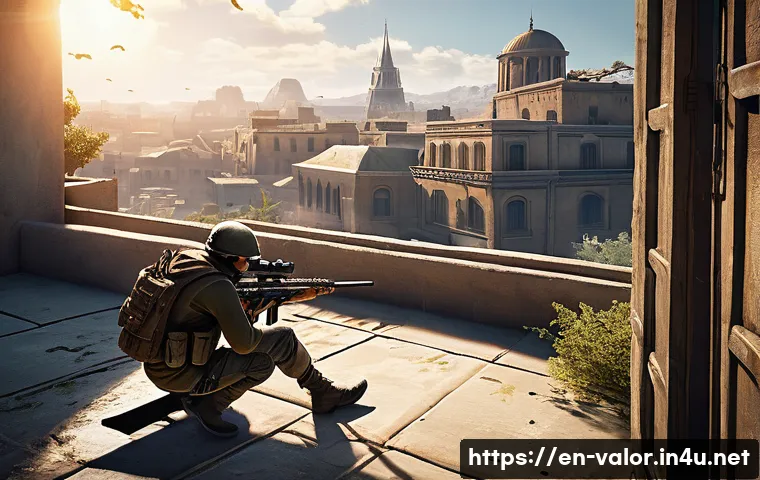
This weapon still defines high-level play, especially on maps like Icebox and Haven, where long sightlines dominate.
Marshal as a Budget-Friendly Alternative
The Marshal has gained traction as a cheaper, more mobile sniper option. Though it requires a headshot to one-shot kill, its quick movement speed and affordable price make it a great eco pick or secondary sniper.
I experimented with the Marshal in recent ranked games and appreciated how it allowed aggressive sniping without draining my economy. It rewards sharpshooters who can land precise shots and capitalize on enemy positioning mistakes.
Positioning and Map Control for Snipers
Effective sniping relies heavily on map knowledge and positioning. Holding tight angles and controlling key sightlines can shut down enemy advances and provide valuable intel for teammates.
I often rotate between common sniper nests and unexpected spots to keep opponents guessing. The psychological pressure of a sniper watching a lane can change enemy movement patterns, giving your team a strategic advantage.
Sidearms and Their Surprising Impact
Classic and Ghost: Reliable Secondary Choices
Sidearms like the Classic and Ghost remain essential tools for any player’s arsenal. The Classic’s versatility with its alternate fire mode and no cost makes it a dependable fallback weapon.
The Ghost, with its silenced shots and high headshot damage, is a favorite for eco rounds or secondary buys. In my experience, mastering these sidearms can clutch rounds where your primary weapon runs dry or during pistol rounds where every shot counts.
Newcomers and Niche Picks
Some lesser-used sidearms, such as the Sheriff and Frenzy, have seen situational rises in popularity. The Sheriff’s high damage output rewards precision and can turn pistol rounds in your favor when you land those critical headshots.
The Frenzy’s rapid fire rate makes it a viable option for aggressive pushes or close-quarters combat. I’ve occasionally switched to the Sheriff when confident in my aim, and the payoff has been game-changing kills against unsuspecting foes.
Sidearm Economy and Round Planning
Choosing the right sidearm often complements your overall round strategy and economy management. Investing in a Ghost or Sheriff during eco rounds can maximize your chances of securing early kills and transitioning smoothly into buy rounds.
I’ve found that communicating sidearm choices with teammates helps coordinate strategies, ensuring the team balances firepower and utility effectively.
Comprehensive Overview of Weapon Changes
| Weapon | Recent Change | Impact on Meta | Best Use Case |
|---|---|---|---|
| Phantom | Adjusted recoil and fire rate | More effective in mid-range combat | Maps with tight angles and stealth plays |
| Vandal | Minor damage tweak at long range | Maintains dominance in open maps | Long sightlines and aggressive plays |
| Judge | Improved firing speed | Stronger close-quarters threat | Holding tight corridors and surprise attacks |
| Spectre | Damage and recoil buff | Increased early-round viability | Aggressive pushes and eco rounds |
| Operator | Reduced movement accuracy | Requires more patience and discipline | Long-range picks and map control |
| Ghost | No significant change | Reliable eco and secondary option | Stealthy pistol rounds and secondary buys |
Adapting Your Playstyle to the Changing Meta
Flexibility Is Key
The weapon meta’s constant evolution means that sticking rigidly to one gun or playstyle isn’t the best path forward. I’ve personally benefited from experimenting with different weapons depending on the map and opponent tendencies.
Being flexible lets you capitalize on the current strengths of various weapons and adapt on the fly when the enemy counters your choices. This mindset not only improves your mechanics but also your overall game sense.
Communication and Team Composition
Your weapon choice should also consider your team’s composition and strategy. For example, if you have a controller agent who excels in area denial, pairing that with a long-range sniper can create deadly crossfires.
I’ve found that discussing weapon picks during buy phases ensures the team covers all engagement ranges and playstyles. This coordination often turns close rounds into solid wins.
Practice and Continuous Learning
Finally, mastering the evolving meta requires consistent practice and staying informed about patch notes and pro-player trends. Watching streams or tournaments can give insights into how top players exploit new weapon dynamics.
Personally, dedicating time to try out buffs and nerfs in custom games before jumping into ranked matches has saved me from costly mistakes. The more you understand the nuances, the better prepared you’ll be to dominate in any meta.
Wrapping Up
Understanding the shifting weapon meta is essential to staying competitive in Valorant. Each weapon now demands a more nuanced approach, balancing map layouts, economy, and team strategy. By adapting your playstyle and experimenting with different guns, you can gain a significant edge over opponents. Remember, flexibility and knowledge are your best allies in mastering the evolving battlefield.
Handy Tips to Keep in Mind
1. Always consider the map’s layout before choosing your rifle; tight angles favor the Phantom, while open spaces boost the Vandal’s effectiveness.
2. Don’t underestimate budget rifles like the Bulldog or Guardian—they offer surprising value, especially during eco rounds.
3. Positioning is everything for shotguns; mastering corner holds and choke points can turn close-quarter fights in your favor.
4. Use SMGs aggressively early on but plan to switch to rifles or snipers as the game progresses and enemies stack armor.
5. Communicate with your team to coordinate weapon choices that complement your agents’ abilities and round strategies.
Key Takeaways
Weapon selection in Valorant is no longer just about raw firepower; it’s a strategic decision influenced by map design, economy, and team synergy. The subtle meta shifts require players to be versatile and informed, balancing aggression with patience. Prioritizing adaptability and communication will not only improve your personal performance but also elevate your team’s overall success. Keep practicing, stay updated on changes, and embrace the evolving meta to maintain your competitive edge.
Frequently Asked Questions (FAQ) 📖
Q: How do recent Valorant weapon updates affect my gameplay strategy?
A: The latest weapon adjustments can significantly change how you approach each round. For example, if a previously overpowered gun has been nerfed, relying on it might put you at a disadvantage.
Conversely, some underused weapons now pack more punch or have improved handling, making them viable alternatives. I’ve found that experimenting with these shifts, like switching to a newly buffed rifle or adjusting your playstyle to a gun’s recoil pattern, can give you a competitive edge and help you adapt better during matches.
Q: Which weapons are currently considered the strongest in Valorant’s evolving meta?
A: Right now, rifles like the Vandal and Phantom remain top contenders due to their balance of damage and accuracy, but recent buffs to certain SMGs and shotguns have made them surprisingly effective in close to mid-range fights.
Personally, I noticed that weapons like the Judge have gained traction because of their increased stopping power, making aggressive plays more rewarding.
However, the meta is fluid, so staying updated and trying out these weapons yourself is key to finding what fits your style best.
Q: How can I quickly adapt to meta changes during competitive play?
A: The best way to adapt is to stay informed and practice regularly with the updated weapons. Watching high-level gameplay, reading patch notes, and testing new loadouts in custom games can help you get comfortable before jumping into ranked matches.
When I first faced meta shifts, focusing on learning recoil patterns and ideal engagement distances for new favorites made a huge difference. Also, communicating with your team about weapon choices and strategies can help everyone stay on the same page and maximize your chances of winning.





Contents
Mastering Valorant Esports Commentary Tips to Captivate Your Audience Like a Pro