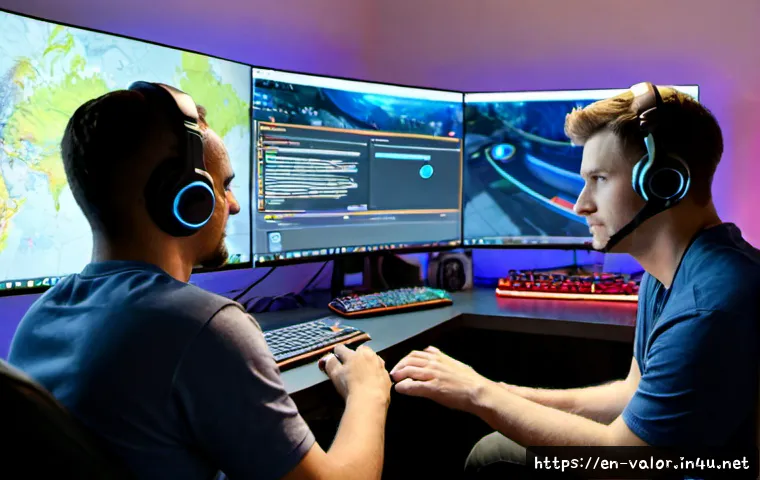
In Valorant, teamwork isn’t just a bonus—it’s the backbone of every victorious round. Coordinated strategies and clear communication often make the difference between a clutch play and a costly mistake.
Whether you’re a seasoned agent or just starting out, mastering player collaboration can elevate your gameplay to new heights. From sharing intel to synchronized executes, effective cooperation transforms a group of players into a well-oiled machine.
Ready to unlock the secrets behind successful team dynamics? Let’s dive deeper and explore the best ways to work together seamlessly!
Building Trust Through Consistent Communication
Establishing Clear Callouts
One of the most underrated yet critical aspects of successful teamwork in Valorant is the ability to give and understand callouts quickly and clearly.
In the heat of battle, there’s no time for vague descriptions or confusion about locations. I’ve found that developing a shared vocabulary with your team—whether it’s naming specific spots on a map or assigning shorthand for enemy movements—can drastically reduce hesitation and miscommunication.
When everyone knows exactly where “long” or “heaven” refers to, decisions become faster and more confident. This shared language builds trust, which is essential when you rely on teammates to back you up or execute complex strategies.
Over time, these callouts become second nature, turning chaotic firefights into coordinated strikes.
Using Voice and Pings Effectively
Voice chat is an invaluable tool, but it can quickly become overwhelming if not managed well. From my experience, the key is balance—only call out critical information like enemy positions, spike status, or when you need help.
Over-communicating every minor detail can clutter the channel and distract teammates. On the other hand, pings are perfect for non-verbal communication, especially for quieter players or when voice chat isn’t an option.
Combining voice with smart ping usage lets your team stay informed without drowning in noise. For instance, pinging an enemy’s last known location while verbally calling “rotating” provides layered intel that helps your team adapt in real time.
Reading the Team’s Tempo and Mood
Communication isn’t just about words; it’s also about reading the atmosphere and energy of your squad. Sometimes, the team might be tense after a lost round or excited after a clutch win, and that mood affects how messages are received.
I’ve noticed that adapting your tone and timing—like keeping calm after a tough round or injecting encouragement when morale dips—can prevent tilting and keep everyone focused.
Good teammates pick up on these subtle cues and adjust their communication style accordingly, which strengthens overall synergy.
Coordinated Positioning and Map Control
Maximizing Crossfires and Trade Opportunities
Positioning is more than just holding angles; it’s about setting up your teammates to succeed through smart crossfires and trade potential. In many games, I’ve seen how carefully arranged positions, where two players can cover each other’s blind spots, drastically reduce the chances of getting picked off.
This setup forces opponents to think twice before peeking and gives your team the upper hand in gunfights. Additionally, having designated trade partners ready to follow up on kills creates a safety net that keeps pressure on enemies.
It’s a subtle dance of spacing and timing that, when mastered, can turn defense into an impenetrable fortress.
Controlling Key Areas with Minimal Overlap
Good teamwork also means dividing map control efficiently so that no two players are unnecessarily covering the same ground, which wastes resources and leaves other areas vulnerable.
From my own play, I’ve learned that assigning specific roles—like someone holding short A while another watches mid—helps maintain balanced control and quick rotations.
This strategy ensures that your team can gather information from multiple angles without risking redundancy. Smart map control also allows for faster responses to enemy movements, giving your team the flexibility to adapt mid-round without losing coverage.
Timing Rotations for Maximum Impact
One of the hardest coordination skills to master is timing rotations so that your team can regroup or reinforce bomb sites effectively. Rushing in too early or too late can leave teammates isolated or overwhelmed.
I’ve found that effective communication combined with map awareness helps synchronize rotations perfectly. For example, if a teammate calls for help at B site, knowing when to rotate depends on how much pressure the enemy is applying and whether other teammates can hold their positions.
This balance between patience and urgency often decides rounds in high-stakes matches.
Leveraging Agent Abilities for Team Synergy
Combining Ultimates for Game-Changing Plays
Valorant’s unique agent abilities offer a huge advantage when combined thoughtfully. I’ve experienced firsthand how coordinating ultimates like Sova’s Hunter’s Fury with Brimstone’s Orbital Strike can decimate enemy positions and secure rounds.
These combos require timing and trust—every player needs to be on the same page about when and where to deploy their powers. The payoff is huge, turning what could be a risky push into a guaranteed site take.
Practicing these combos in scrims or with regular teammates builds confidence and opens up creative strategies that solo queue can rarely replicate.
Supporting Entry and Post-Plant Situations
Abilities can also make or break entry fragging and post-plant defenses. For instance, using flashes and smokes in perfect sync helps your entry fraggers clear angles safely and gain ground quickly.
I’ve noticed that when a teammate throws a well-timed flash, it’s easier to secure kills and maintain momentum. Post-plant, abilities like Cypher’s traps or Killjoy’s gadgets provide crucial intel and zone control, allowing teammates to hold angles without constantly peeking.
The key is knowing each agent’s toolkit inside out and how it complements your team’s overall strategy.
Adapting Ability Usage Based on Team Composition
Not all teams have the same mix of agents, so adapting how you use abilities depending on your squad is vital. For example, a team heavy on controllers might focus more on area denial and slow site retakes, while a team with duelists will lean toward aggressive site entries.
I’ve found that discussing your team comp’s strengths before matches helps tailor your ability usage to the bigger picture. This awareness prevents wasted resources and maximizes impact during critical moments.
Reading Opponent Patterns and Adjusting Tactics
Identifying Enemy Playstyles Early
One of the more subtle skills I’ve picked up is observing enemy tendencies in the first few rounds. Are they rushing aggressively? Playing slow and methodical?
This information shapes your team’s approach for the rest of the game. Sharing these observations with your squad enables smarter positioning and counter-strategies.
For example, if enemies favor mid control, your team can allocate more resources there, or set traps to catch them off guard. This kind of pattern recognition and communication turns raw data into actionable plans.
Switching Up Your Strategy to Stay Unpredictable
Once your team has a read on the enemy, it’s crucial to change things up regularly to avoid becoming predictable. I’ve seen matches where sticking to the same execute over and over results in easy counterplays by the opponents.
Mixing fake site hits, delaying pushes, or varying your utility usage keeps the enemy guessing and off-balance. This dynamic approach requires constant communication and trust that everyone will adapt quickly without hesitation.
Learning from Mistakes and Sharing Feedback
Post-round analysis within the team can be a game-changer. I personally try to highlight both what went well and what could improve after each round, fostering an environment where constructive feedback is welcomed.
When teammates openly discuss mistakes—like poor positioning or missed callouts—it helps the entire group grow stronger. This kind of honest communication deepens trust and encourages everyone to stay engaged and motivated.
Optimizing Roles to Maximize Individual Strengths
Assigning Roles Based on Playstyle and Skill
Teams that assign roles thoughtfully tend to perform better overall. I’ve learned that understanding each player’s strengths—whether they excel at aggressive dueling, support utility, or anchoring sites—allows for better role distribution.
For example, a player with sharp aim might take the duelist role, while a strategic thinker handles in-game leader duties. Aligning roles with natural abilities ensures everyone is comfortable and confident in their responsibilities, reducing overlap and confusion.
Encouraging Flexibility and Role Swapping
While roles are important, flexibility is equally vital in Valorant’s fast-paced environment. Situations change mid-game, and the ability to swap roles or adapt your playstyle can give your team an edge.
I’ve noticed that teams who encourage experimentation and role sharing tend to discover unexpected synergies and cover weaknesses more effectively. This adaptability also keeps gameplay fresh and prevents stagnation.
Balancing Individual Impact with Team Goals
One challenge I’ve faced is balancing personal glory with the team’s objectives. It’s tempting to chase kills or flashy plays, but true teamwork means prioritizing the round’s success over individual stats.
Communicating this mindset and encouraging teammates to play selflessly—such as holding an angle for a teammate’s flank or saving utility for a group execute—helps keep the team aligned.
This balance between personal skill and cooperative effort is what separates good players from great teams.
Essential Teamwork Metrics for Improving Coordination
Tracking Communication Efficiency
Keeping an eye on how efficiently your team communicates can reveal a lot about overall coordination. For example, if callouts are consistently clear and timely, the team will respond faster to threats.
Conversely, frequent miscommunication might indicate a need to simplify callouts or reduce unnecessary chatter. I recommend setting short debriefs after matches to review what communication habits worked and what didn’t.
Measuring Map Control and Utility Usage
Map control and utility deployment are quantifiable metrics that reflect teamwork quality. Teams that hold key areas longer and use utility more effectively often win more rounds.
I’ve started tracking how often my team successfully secures sites with minimal deaths or how many utilities are wasted versus impactful. This data helps identify patterns and areas for improvement.
Assessing Post-Plant Success Rates
Post-plant situations are intense moments that test a team’s coordination under pressure. Tracking how often your team wins after planting the spike can highlight strengths or weaknesses in retake and defense strategies.
From experience, improving communication, positioning, and ability usage during these rounds leads to significant improvements in win rates.
| Teamwork Aspect | Key Indicator | Recommended Action |
|---|---|---|
| Communication | Clarity and frequency of callouts | Establish shared vocabulary and limit unnecessary chatter |
| Positioning | Crossfire setups and map coverage | Assign roles to minimize overlap and maximize trade potential |
| Ability Usage | Successful combos and utility impact | Coordinate ultimates and support entry/post-plant plays |
| Adaptability | Response to enemy strategies | Analyze opponent patterns and switch tactics regularly |
| Role Optimization | Role alignment with player strengths | Assign and encourage flexible roles based on skills |
| Performance Metrics | Post-plant success and map control | Track and review to refine teamwork strategies |
Conclusion
Building a winning team in Valorant goes beyond individual skills; it’s about seamless communication, smart positioning, and leveraging each agent’s abilities to their fullest. From my experience, trust and adaptability are the glue that holds everything together. When everyone plays their part thoughtfully and stays in sync, victories become not just possible but consistent. Keep practicing these principles, and you’ll see your teamwork elevate to new heights.
Useful Tips to Remember
1. Develop a clear and shared callout system with your team to avoid confusion during intense moments.
2. Use voice chat sparingly and complement it with pings for efficient, noise-free communication.
3. Adjust your communication style based on your team’s mood to maintain focus and morale.
4. Assign map roles carefully to cover all areas without overlap, ensuring quick rotations and solid control.
5. Coordinate ultimate abilities and utility usage based on your team composition to maximize impact.
Key Takeaways for Effective Teamwork
Successful Valorant teams thrive on clear communication, strategic positioning, and synchronized ability usage. Prioritizing flexibility and understanding each player’s strengths helps maintain balance between individual performance and team goals. Regularly analyzing enemy patterns and adapting tactics keeps your strategy unpredictable and effective. Lastly, tracking teamwork metrics like post-plant success and map control can reveal areas for continuous improvement, turning good teams into great ones.
Frequently Asked Questions (FAQ) 📖
Q: How can I improve communication with my team in Valorant?
A: The key to solid communication is clarity and brevity. Use concise callouts to share enemy positions, your status, and your plans. For example, instead of saying “I see enemies near the corner,” say “Two enemies B long.” Also, use your mic actively but avoid cluttering the channel with unnecessary chatter.
Practicing consistent callouts and listening carefully to teammates’ information can dramatically improve your team’s coordination and reaction time. From my experience, teams that communicate well often secure rounds even when outnumbered.
Q: What are some effective teamwork strategies for beginners in Valorant?
A: Beginners should focus on simple but effective strategies like sticking together during site takes, trading kills, and sharing utility usage plans. For instance, if one player flashes before entering a site, teammates should be ready to follow up immediately.
Also, assigning roles such as entry fragger, support, or lurker helps in understanding who does what. When I started, following straightforward plays and keeping close contact with teammates made a huge difference in my win rate, as it minimized chaos and maximized impact.
Q: How do I coordinate synchronized executes with my team?
A: Synchronized executes require timing and clear communication. Before a round starts, discuss who will use smokes, flashes, and other utilities, and decide the order of entry.
Countdown timers or short voice cues like “Flash in 3, push 1, 2, 3” help ensure everyone moves together. In my own games, I’ve noticed that having a designated leader to call the execute and set the pace prevents hesitation and confusion, turning a group of individual players into a cohesive unit ready to overwhelm the enemy.