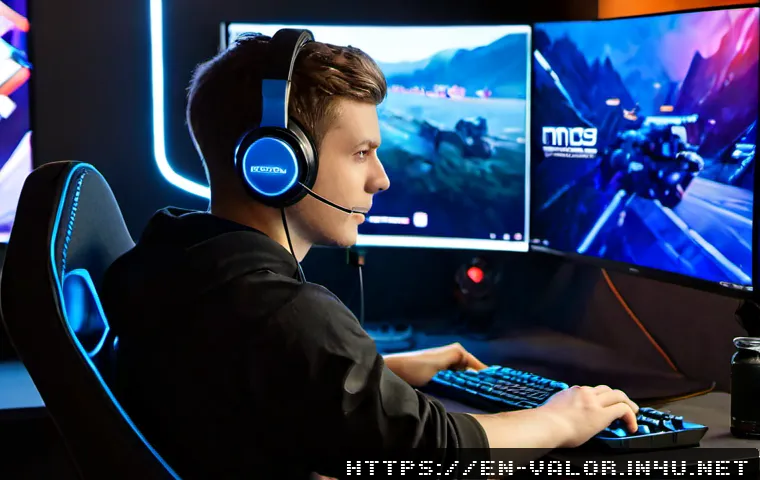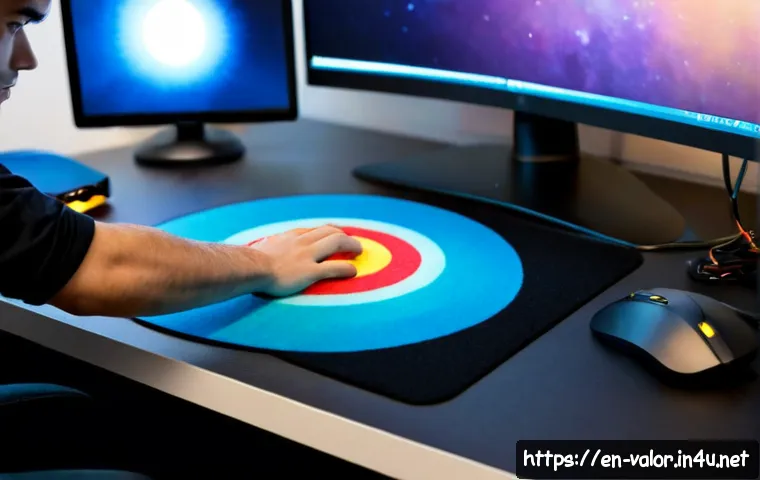
The fastest way to fix inconsistent VALORANT aim is to keep your settings stable, stop before you shoot, and train one clear weakness at a time. Buy a mouse, mousepad, aim trainer, or coaching only after you can identify a specific limitation that free practice is not solving.
VALORANT rewards first-shot accuracy, crosshair placement, disciplined movement, and smart ability use more than fast flicks alone. A short, focused routine is easier to evaluate than random warm-ups or constant sensitivity changes.
If your aim feels unreliable, first separate a mouse-control issue from positioning, movement timing, frame-rate stability, or desk-space comfort. That makes any later gear or training decision more useful.
At a Glance
- Stabilize your settings: avoid changing sensitivity and crosshair after every bad game.
- Practice one weakness: focus each session on a measurable issue such as overflicking or moving while shooting.
- Upgrade gear only for a real limitation: a mouse, mousepad, or coaching service supports fundamentals but does not replace them.
| Option | Best Use Case | Main Limitation | Cost-to-Value Check |
|---|---|---|---|
| Free in-game drills | Movement timing, crosshair placement, recoil, and map-angle practice | Less isolated mouse-control practice | Start here when fundamentals are inconsistent |
| Aim-training software | Overflicking, underflicking, tracking, and micro-corrections | Does not automatically transfer to VALORANT decisions | Useful when mouse control is the clear bottleneck |
| Gaming mouse or mousepad | Limited pad space, poor comfort, inconsistent sensor behavior, or restrictive movement | Will not fix poor peeks or firing while moving | Consider only after identifying the physical constraint |
| Coaching or VOD review | Recurring mistakes you cannot identify alone | Value depends on review quality and actionable feedback | Compare the coach’s rank relevance and feedback process first |
The Fastest Way to Make Your Aim More Consistent
Consistent aim starts with repeatable inputs. Before adding a new aim routine or shopping for gaming peripherals, make sure your sensitivity, crosshair, desk setup, and basic practice habits are not changing every few days.
Lock Your Sensitivity and Crosshair Before Changing Your Routine
Choose settings that feel controllable, then give them time. Frequent sensitivity changes can disrupt muscle memory and make it difficult to tell whether a drill is working. If you miss several shots in one match, that is not enough evidence that your sensitivity is wrong.
Instead, look for a repeated pattern. Do you consistently swing past targets? Do you stop short? Are small corrections shaky? A stable setup lets you evaluate those signs honestly. Keep your crosshair readable and avoid changing it simply because another player uses a different style.
Stop Moving Before Firing and Prioritize First-Bullet Accuracy
Many shots that feel like aim failures are movement failures. Shooting while moving generally reduces weapon accuracy, so the key habit is to stop before firing. Practice clean movement timing when you peek, counter-strafe, or take a quick correction.
VALORANT is not only a flicking game. Keep your crosshair near likely head level before an opponent appears. Then your final adjustment is smaller, calmer, and more reliable than a large emergency flick.
Train One Aim Weakness Per Session Instead of Doing Random Drills
A focused session has a purpose. If you overflick, train controlled stops on target. If your crosshair drifts below head level, make head-level placement the goal in Deathmatch. If you lose fights because you fire while moving, focus on stopping cleanly before every shot.
One weakness, one measure, one session is easier to review than trying to improve flicks, tracking, recoil, peeking, and positioning all at once.
Find the Real Cause of Missed Shots Before Buying Anything
Before paying for a premium aim trainer, gaming mouse, or coaching session, diagnose the miss. A hardware purchase can be useful, but only when it addresses the actual source of inconsistency.
Sensitivity and Mouse-Control Signs: Overflicking, Underflicking, and Shaky Micro-Adjustments
Overflicking means your crosshair regularly passes the target. Underflicking means it stops short. Shaky micro-adjustments can appear when you struggle to make small corrections after the initial movement. These patterns may point to mouse control, but they are easier to judge after your sensitivity has remained stable.
An aim trainer can help isolate these movements. Still, return to the game afterward. VALORANT requires mouse control alongside movement, recoil, map angles, and decisions under pressure.
Crosshair Placement and Peeking Mistakes That Look Like Bad Aim
If your crosshair starts far from the angle an opponent is likely to hold, your reaction has to do too much work. That can look like poor aim even when your raw flick is fine. Check whether you enter fights with your crosshair at head level and near the next likely threat.
Also consider your peek. Wide or rushed peeks can create difficult shots and encourage firing before you are fully stopped. Review the setup before the shot, not only the missed bullet.
Frame Rate, Input Delay, Desk Space, and Comfort Checks
Frame-rate stability and input latency can affect consistency. So can a mousepad that does not provide enough usable space or a mouse shape that feels uncomfortable during longer sessions. These are valid setup checks, not automatic reasons to upgrade.
Ask a practical question: Can I reproduce the problem outside of a bad match? If your movement is restricted by the edge of the pad, a larger mousepad may be a sensible peripheral upgrade. If your system feels unstable, inspect performance before assuming your aim is the issue.
Practice Routine: Range, Deathmatch, and Match Transfer
The best routine is one you can repeat and review. Use the range for controlled mechanics, Deathmatch for faster target transitions and crosshair placement, and real matches to test whether the habit survives normal VALORANT pressure.
A Short Warm-Up for Players With Limited Time
Start with a brief in-game warm-up. Take deliberate first shots, stop before firing, and keep your crosshair at a consistent head-level reference. Then play a focused Deathmatch where you prioritize your chosen weakness rather than chase a score.
For example, a player who loses duels while moving should treat every engagement as movement-timing practice. A player who underflicks should concentrate on completing the initial mouse movement without rushing the correction.
Deliberate Drills for Flicks, Tracking, and Micro-Corrections
Use flick drills when your first movement regularly misses the target. Use tracking-oriented drills when you struggle to keep control during moving targets. Use micro-correction drills when your crosshair reaches the target area but shakes past the final adjustment.
Do not practice at a speed that turns every repetition into a miss. Slow, accurate repetitions help prevent reinforcing inaccurate shots. Increase pace only when your control remains intentional.
How to Review Whether Your Practice Is Improving Real Matches
After matches, ask one narrow question: did the targeted problem appear less often? For example, note whether you were still shooting while moving, whether your crosshair entered angles at head level, or whether you repeatedly overflicked.
Do not judge the routine only by rank or one scoreboard. A better sign is a recurring mechanical mistake becoming easier to notice and correct during real rounds.
When Aim Trainers, Gaming Mice, Mousepads, or Coaching Are Worth It

Paid tools have value when they remove a known bottleneck. They are less useful when the real issue is inconsistent settings, poor movement timing, or unfocused practice.
Free In-Game Practice Versus Paid Aim-Training Tools
Free in-game practice is the stronger starting point for VALORANT-specific skills: stopping before firing, recoil control, crosshair placement, and common map angles. Aim-training software can add value when you need structured drills for isolated mouse control, such as tracking or micro-adjustments.
Check the available drill types, progress tracking, subscription conditions, and whether you will actually use the tool consistently. Premium features do not guarantee rank improvement.
When a Larger Mousepad or More Comfortable Mouse Can Solve a Real Limitation
A gaming mouse or larger mousepad is worth considering when you can name the limitation. Examples include running out of pad space during normal turns, inconsistent comfort during longer sessions, or a setup that makes controlled movement difficult.
Look at sensor reliability, pad space, grip comfort, and compatibility with your desk setup. Do not expect a new mouse to repair crosshair placement or movement discipline. Check product specifications and return conditions on the relevant retailer or manufacturer page before buying.
What to Look for Before Paying for Coaching or VOD Review
Coaching can be useful when the same errors keep appearing and you cannot identify why. Before paying, look for a clear review process, rank relevance, and feedback that becomes actionable practice tasks.
A useful VOD review should identify recurring issues such as poor peeks, unfocused crosshair placement, movement timing, or predictable positioning. Avoid treating coaching as a shortcut; its value depends on whether you apply the feedback in your next sessions.
Fix Common Habits That Make Aim Worse
Improvement often comes from removing habits that hide the real problem. Keep your routine simple enough to repeat and specific enough to review.
Changing Sensitivity After Every Bad Game
A bad game can come from fatigue, difficult opponents, poor positioning, or rushed decisions. Changing sensitivity immediately adds another variable. Keep it stable long enough to identify a genuine pattern.
Practicing Too Fast and Reinforcing Inaccurate Shots
Fast practice feels productive, but careless repetitions can reinforce the exact movement you want to fix. Prioritize controlled first shots and intentional corrections. Accuracy gives speed something reliable to build on.
Ignoring Crosshair Placement, Movement Timing, and Fatigue
Raw aim is only one part of a duel. Crosshair placement reduces the distance you need to move. Movement timing protects weapon accuracy. Fatigue can make your hands and decisions less consistent. If your practice quality drops, do not assume more repetitions are automatically better.
Selection Criteria and Comparison Summary
Choose your next improvement step based on the limitation you can actually observe:
- Choose free drills if your crosshair placement, movement timing, or first-shot discipline is inconsistent.
- Choose an aim trainer if isolated mouse control, tracking, overflicking, or micro-corrections remain the clear bottleneck.
- Consider a larger mousepad if limited desk space or pad space restricts normal movement.
- Consider a gaming mouse if grip comfort or mouse behavior creates a repeatable control problem.
- Check system performance first if unstable FPS or input delay appears to affect consistency.
- Consider coaching or VOD review if you need outside feedback on recurring mistakes you cannot diagnose alone.
For paid aim-training tools, gaming peripherals, or coaching services, review the official feature list, compatibility details, and current terms on the relevant page before making a decision.
Final Thoughts
Inconsistent VALORANT aim is rarely solved by one dramatic change. Stable settings, clean movement timing, and focused practice create a better baseline for every duel. Once you know whether the problem is mechanics, setup comfort, performance stability, or decision-making, spending on tools becomes easier to justify. Build consistency first, then invest where a measurable limitation remains.
Useful Things to Know
Aim trainers build isolated control. In-game practice is still needed for VALORANT-specific movement, recoil, angles, and ability coordination.
Deathmatch is not just for speed. It can be used to practice one habit, such as head-level crosshair placement or stopping before firing.
Gear is supportive. A comfortable mouse and adequate pad space can help consistency, but they do not replace disciplined fundamentals.
Important Notes
There is no single best sensitivity, crosshair, mouse, mousepad, practice duration, or coaching option for every player. The effect of a hardware upgrade depends on your current setup and system performance. Paid coaching and premium aim-training features may be useful, but individual rank improvement is not guaranteed. Check current pricing, trial options, regional availability, and service terms directly before purchasing.
Frequently Asked Questions
Q1. What is the best way to improve VALORANT aim without buying an aim trainer?
A1. Start with in-game practice that targets one weakness. Keep your sensitivity stable, practice stopping before firing, maintain head-level crosshair placement, and use Deathmatch to apply the habit against moving opponents. Review whether the same mistake appears less often in real matches.
Q2. Is a gaming mouse or large mousepad worth buying for better VALORANT aim?
A2. It can be worthwhile when you have a specific physical limitation, such as restricted pad space or poor grip comfort. Check whether the limitation is repeatable first. A peripheral upgrade will not directly fix movement timing, crosshair placement, or rushed shots.
Q3. How long should I practice aim each day before playing competitive matches?
A3. There is no exact practice duration that fits every player. Use a short, focused warm-up that leaves you attentive rather than fatigued. The important part is having a clear goal, practicing deliberately, and checking whether that skill transfers into competitive matches.