So, you’ve bravely ventured into the world of Valorant, a tactical FPS that’s equal parts thrilling and, let’s be honest, sometimes a little overwhelming.
I remember my first few matches – it felt like I was constantly getting headshot from angles I didn’t even know existed! Don’t worry, we’ve all been there.
The learning curve can be steep, but trust me, the payoff is totally worth it. To help you navigate the initial chaos, I’ve compiled some frequently asked questions specifically for Valorant newbies.
These are the questions I wish I had answers to when I started playing, saving you from some frustrating moments (and maybe a few rage quits!). Let’s dive in and get you up to speed.
Let’s get down to brass tacks in the article below.
Alright, let’s get this Valorant guide rolling. Here are some essential questions and answers every newbie should know, presented in a way that’s easy to digest and, hopefully, a little entertaining.
Understanding Agents: More Than Just Pretty Faces
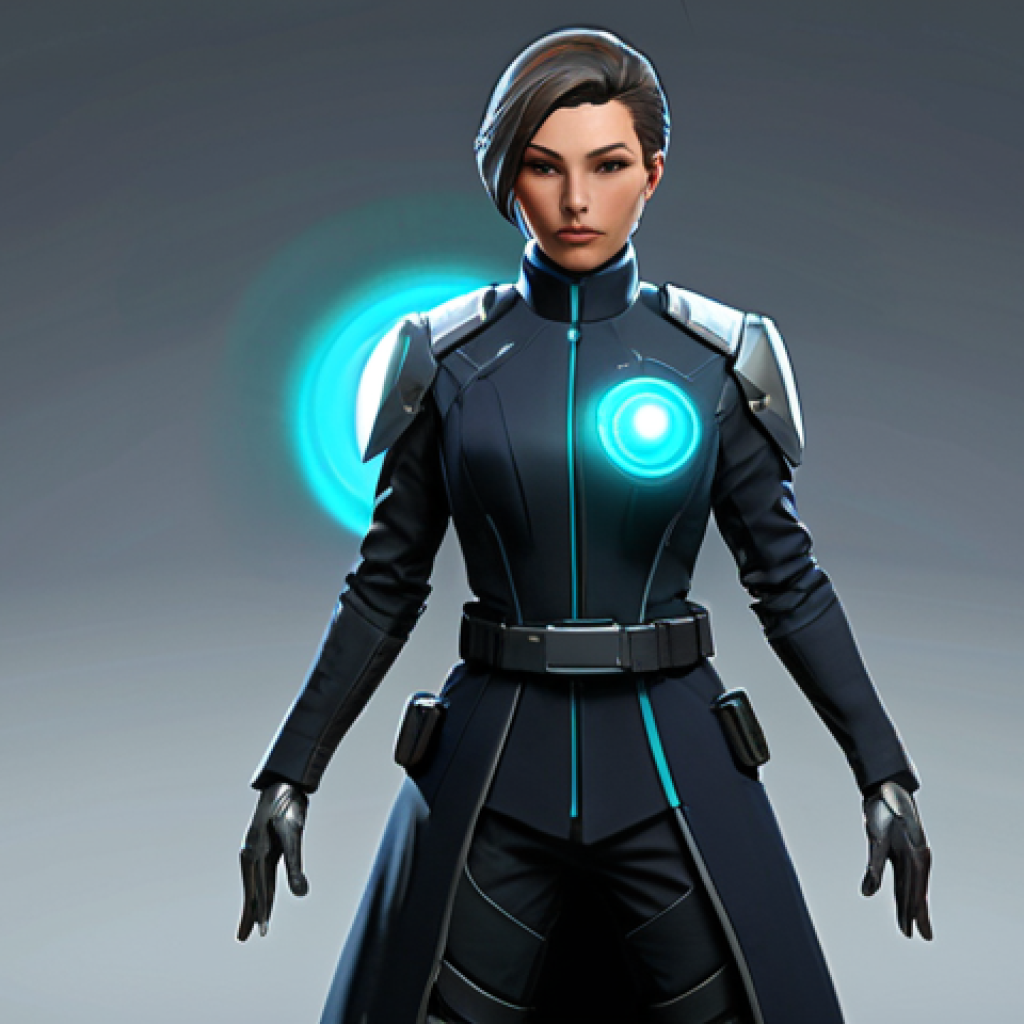
Choosing your first Agent can feel like picking a starter Pokémon – a pivotal decision! But unlike Pokémon, you’re not stuck with your initial choice.
Each Agent brings unique abilities to the table, drastically changing how you approach each round. Don’t be intimidated by the sheer number of options; experiment and find the playstyle that clicks with you.
1. What’s the difference between Controllers, Duelists, Initiators, Sentinels?
These are your Agent roles, and they’re crucial for team composition. Think of it like assembling a superhero squad: you need a mix of offense, defense, and support.
- Duelists: These are your entry fraggers, the ones who aggressively push into sites and take down enemies. Think of Jett, Phoenix, or Reyna. If you like being in the thick of it, a Duelist might be for you. But be warned, they often require good aim and quick reflexes. I jumped straight into playing Duelists and I regret it, I should’ve started with a supportive agent.
- Controllers: Controllers are the strategic masterminds. They use smokes, walls, and other vision-blocking abilities to control the flow of the game and dictate where the enemy can and can’t go. Brimstone, Omen, and Viper are classic examples. If you enjoy planning and outsmarting your opponents, a Controller is your jam.
- Initiators: These Agents are all about gathering information and setting up their teammates for success. Breach, Skye, and Sova use flashes, recon bolts, and other abilities to scout ahead and blind or concuss enemies, making them vulnerable. If you like playing a supportive role but still want to be proactive, an Initiator is a great choice.
- Sentinels: The defensive backbone of any team. Cypher, Killjoy, and Sage excel at locking down sites, preventing flanks, and providing crucial intel on enemy movements. If you prefer a more methodical and strategic playstyle, a Sentinel might be perfect for you. I usually pick Sentinels when my team is lacking, cause I enjoy having a stable defense.
2. Which Agent should I pick as a complete beginner?
Honestly, there’s no single “best” Agent for beginners, it really depends on your playstyle. However, some Agents are generally considered more forgiving and easier to learn than others.
- Sage: A classic support character. Her healing abilities are invaluable, and her slow orbs can control chokepoints effectively. Plus, her ultimate, Resurrection, can literally bring a teammate back from the dead! What’s not to love? Just be mindful of your positioning, as you’ll be a prime target.
- Brimstone: His simple smoke deployment and stim beacons make him easy to understand. His ultimate, an orbital strike, can clear out entire areas. A solid choice for learning the basics of controlling space.
- Sova: Requires a bit more map knowledge, but his recon bolt can provide crucial information without putting yourself in harm’s way. Getting used to the bounce angles on the recon bolt is a really good way to start playing Sova.
Map Knowledge is Power: Your Mini-Map is Your Best Friend
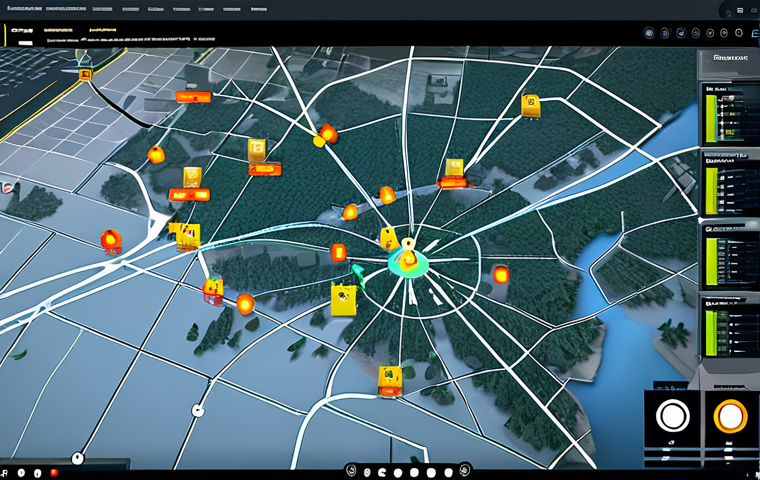
Valorant maps are intricately designed, with numerous chokepoints, angles, and hiding spots. Learning the maps is crucial for anticipating enemy movements, planning your attacks, and effectively using your Agent’s abilities.
Ignore the map at your own peril! I learned that lesson the hard way.
1. How do I learn the maps effectively?
There are several ways to improve your map knowledge:
- Play the game! The more you play, the more familiar you’ll become with the map layouts. Pay attention to the callouts (the names of specific areas on the map) and try to learn them as quickly as possible.
- Watch professional players. Observing how pros navigate the maps, utilize cover, and execute strategies can provide invaluable insights. Pay attention to their positioning, their use of utility, and their overall game sense.
- Use custom games. Load up a custom game and explore the maps on your own. Practice your movement, experiment with different angles, and familiarize yourself with common enemy positions.
2. What are some common strategies for each map?
Each map has its own unique characteristics and requires different strategies. For example, on Ascent, controlling mid is often crucial for gaining map control.
On Bind, utilizing teleporters for quick rotations and flanks can be highly effective. Here’s a simplified table showcasing some key strategic points on a few popular maps:
| Map | Key Strategic Point | Common Strategy |
|---|---|---|
| Ascent | Mid Control | Use smokes and coordinated pushes to take and hold mid. |
| Bind | Teleporters | Utilize teleporters for fast rotations and flanks. Coordinate with your team. |
| Haven | C Long | Control of C Long is vital for attackers. Use smokes and flashes to push effectively. |
The Economy Game: Credits Make the World Go Round (In Valorant)
Understanding the economy system in Valorant is paramount to success. Knowing when to save, when to buy, and what to buy can significantly impact your team’s chances of winning.
Don’t just blindly buy every round; think strategically about your team’s economy and plan accordingly.
1. What’s the difference between a “full buy,” “eco round,” and “force buy?”
These are common terms you’ll hear thrown around, and understanding them is essential for communicating with your team and making informed decisions.
- Full Buy: This means you and your team have enough credits to purchase the best weapons and abilities available. Typically, this involves rifles like the Phantom or Vandal, heavy shields, and all your Agent’s abilities.
- Eco Round (Economy Round): When your team has limited credits, you might opt for an eco round. This means saving your money and purchasing only minimal equipment (like pistols or light shields) to maximize your credits for the next round.
- Force Buy: A risky strategy where you spend almost all your credits, even if you can’t afford the best weapons and abilities. This is typically done when you need to win the round at all costs, such as when you’re down match point.
2. When should I save, and when should I buy?
Knowing when to save and when to buy is a delicate balance. Consider these factors:
- Your team’s economy: Coordinate with your teammates to ensure everyone is on the same page. If most of your team is broke, it’s probably best to save.
- The score: If you’re significantly behind, you might need to take risks and force buy to try and swing the momentum.
- Your Agent: Some Agents rely more on their abilities than others. If you’re playing an Agent like Sage, you might prioritize buying your healing orbs over a more expensive weapon.
Crosshair Placement: Aiming Isn’t Just Pointing and Shooting
In Valorant, headshots are king. Mastering crosshair placement is the key to consistently landing those crucial headshots and winning gunfights. Don’t just aim at the enemy’s body; train yourself to keep your crosshair at head level at all times.
It sounds simple, but it takes practice!
1. How do I improve my crosshair placement?
Here are some tips:
- Practice in the shooting range. Spend time in the practice range focusing solely on keeping your crosshair at head level as you move around the map.
- Visualize enemy positions. As you approach corners and chokepoints, anticipate where an enemy’s head would be and pre-aim accordingly.
- Adjust your crosshair placement based on the situation. If you’re holding a tight angle, you might want to lower your crosshair slightly to account for crouching enemies.
Communication is Key: Talk to Your Teammates!
Valorant is a team game, and effective communication is essential for success. Use your microphone to call out enemy positions, coordinate pushes, and share information with your teammates.
Even simple callouts like “One mid!” can make a huge difference.
1. What are some essential callouts I should know?
Learn the common callouts for each map. These are the names of specific areas on the map, such as “A short,” “B long,” or “Mid window.” Clear and concise callouts will help your team react quickly and effectively.
If you’re shy to talk try pinging the locations of enemies.
2. How can I communicate effectively without being annoying?
Keep your callouts concise and relevant. Avoid unnecessary chatter or complaining. Focus on providing useful information that will help your team win the round.
Alright, let’s get this Valorant guide rolling. Here are some essential questions and answers every newbie should know, presented in a way that’s easy to digest and, hopefully, a little entertaining.
Understanding Agents: More Than Just Pretty Faces
Choosing your first Agent can feel like picking a starter Pokémon – a pivotal decision! But unlike Pokémon, you’re not stuck with your initial choice. Each Agent brings unique abilities to the table, drastically changing how you approach each round. Don’t be intimidated by the sheer number of options; experiment and find the playstyle that clicks with you.
1. What’s the difference between Controllers, Duelists, Initiators, Sentinels?
These are your Agent roles, and they’re crucial for team composition. Think of it like assembling a superhero squad: you need a mix of offense, defense, and support.
- Duelists: These are your entry fraggers, the ones who aggressively push into sites and take down enemies. Think of Jett, Phoenix, or Reyna. If you like being in the thick of it, a Duelist might be for you. But be warned, they often require good aim and quick reflexes. I jumped straight into playing Duelists and I regret it, I should’ve started with a supportive agent.
- Controllers: Controllers are the strategic masterminds. They use smokes, walls, and other vision-blocking abilities to control the flow of the game and dictate where the enemy can and can’t go. Brimstone, Omen, and Viper are classic examples. If you enjoy planning and outsmarting your opponents, a Controller is your jam.
- Initiators: These Agents are all about gathering information and setting up their teammates for success. Breach, Skye, and Sova use flashes, recon bolts, and other abilities to scout ahead and blind or concuss enemies, making them vulnerable. If you like playing a supportive role but still want to be proactive, an Initiator is a great choice.
- Sentinels: The defensive backbone of any team. Cypher, Killjoy, and Sage excel at locking down sites, preventing flanks, and providing crucial intel on enemy movements. If you prefer a more methodical and strategic playstyle, a Sentinel might be perfect for you. I usually pick Sentinels when my team is lacking, cause I enjoy having a stable defense.
2. Which Agent should I pick as a complete beginner?
Honestly, there’s no single “best” Agent for beginners, it really depends on your playstyle. However, some Agents are generally considered more forgiving and easier to learn than others.
- Sage: A classic support character. Her healing abilities are invaluable, and her slow orbs can control chokepoints effectively. Plus, her ultimate, Resurrection, can literally bring a teammate back from the dead! What’s not to love? Just be mindful of your positioning, as you’ll be a prime target.
- Brimstone: His simple smoke deployment and stim beacons make him easy to understand. His ultimate, an orbital strike, can clear out entire areas. A solid choice for learning the basics of controlling space.
- Sova: Requires a bit more map knowledge, but his recon bolt can provide crucial information without putting yourself in harm’s way. Getting used to the bounce angles on the recon bolt is a really good way to start playing Sova.
Map Knowledge is Power: Your Mini-Map is Your Best Friend
Valorant maps are intricately designed, with numerous chokepoints, angles, and hiding spots. Learning the maps is crucial for anticipating enemy movements, planning your attacks, and effectively using your Agent’s abilities. Ignore the map at your own peril! I learned that lesson the hard way.
1. How do I learn the maps effectively?
There are several ways to improve your map knowledge:
- Play the game! The more you play, the more familiar you’ll become with the map layouts. Pay attention to the callouts (the names of specific areas on the map) and try to learn them as quickly as possible.
- Watch professional players. Observing how pros navigate the maps, utilize cover, and execute strategies can provide invaluable insights. Pay attention to their positioning, their use of utility, and their overall game sense.
- Use custom games. Load up a custom game and explore the maps on your own. Practice your movement, experiment with different angles, and familiarize yourself with common enemy positions.
2. What are some common strategies for each map?
Each map has its own unique characteristics and requires different strategies. For example, on Ascent, controlling mid is often crucial for gaining map control. On Bind, utilizing teleporters for quick rotations and flanks can be highly effective.
Here’s a simplified table showcasing some key strategic points on a few popular maps:
| Map | Key Strategic Point | Common Strategy |
|---|---|---|
| Ascent | Mid Control | Use smokes and coordinated pushes to take and hold mid. |
| Bind | Teleporters | Utilize teleporters for fast rotations and flanks. Coordinate with your team. |
| Haven | C Long | Control of C Long is vital for attackers. Use smokes and flashes to push effectively. |
The Economy Game: Credits Make the World Go Round (In Valorant)
Understanding the economy system in Valorant is paramount to success. Knowing when to save, when to buy, and what to buy can significantly impact your team’s chances of winning. Don’t just blindly buy every round; think strategically about your team’s economy and plan accordingly.
1. What’s the difference between a “full buy,” “eco round,” and “force buy?”
These are common terms you’ll hear thrown around, and understanding them is essential for communicating with your team and making informed decisions.
- Full Buy: This means you and your team have enough credits to purchase the best weapons and abilities available. Typically, this involves rifles like the Phantom or Vandal, heavy shields, and all your Agent’s abilities.
- Eco Round (Economy Round): When your team has limited credits, you might opt for an eco round. This means saving your money and purchasing only minimal equipment (like pistols or light shields) to maximize your credits for the next round.
- Force Buy: A risky strategy where you spend almost all your credits, even if you can’t afford the best weapons and abilities. This is typically done when you need to win the round at all costs, such as when you’re down match point.
2. When should I save, and when should I buy?
Knowing when to save and when to buy is a delicate balance. Consider these factors:
- Your team’s economy: Coordinate with your teammates to ensure everyone is on the same page. If most of your team is broke, it’s probably best to save.
- The score: If you’re significantly behind, you might need to take risks and force buy to try and swing the momentum.
- Your Agent: Some Agents rely more on their abilities than others. If you’re playing an Agent like Sage, you might prioritize buying your healing orbs over a more expensive weapon.
Crosshair Placement: Aiming Isn’t Just Pointing and Shooting
In Valorant, headshots are king. Mastering crosshair placement is the key to consistently landing those crucial headshots and winning gunfights. Don’t just aim at the enemy’s body; train yourself to keep your crosshair at head level at all times. It sounds simple, but it takes practice!
1. How do I improve my crosshair placement?
Here are some tips:
- Practice in the shooting range. Spend time in the practice range focusing solely on keeping your crosshair at head level as you move around the map.
- Visualize enemy positions. As you approach corners and chokepoints, anticipate where an enemy’s head would be and pre-aim accordingly.
- Adjust your crosshair placement based on the situation. If you’re holding a tight angle, you might want to lower your crosshair slightly to account for crouching enemies.
Communication is Key: Talk to Your Teammates!
Valorant is a team game, and effective communication is essential for success. Use your microphone to call out enemy positions, coordinate pushes, and share information with your teammates. Even simple callouts like “One mid!” can make a huge difference.
1. What are some essential callouts I should know?
Learn the common callouts for each map. These are the names of specific areas on the map, such as “A short,” “B long,” or “Mid window.” Clear and concise callouts will help your team react quickly and effectively. If you’re shy to talk try pinging the locations of enemies.
2. How can I communicate effectively without being annoying?
Keep your callouts concise and relevant. Avoid unnecessary chatter or complaining. Focus on providing useful information that will help your team win the round.
Wrapping Up
Valorant, like any competitive game, has a steep learning curve. But with dedication, practice, and a willingness to learn, you can improve your skills and climb the ranks. Don’t be afraid to experiment, try new things, and find what works best for you. Good luck, and have fun out there!
Useful Tips
1. Warm up in the practice range before jumping into competitive matches. Even a few minutes of aim training can make a big difference.
2. Watch professional Valorant streamers on Twitch or YouTube. You can learn a lot by observing how they play and analyzing their strategies.
3. Don’t be afraid to ask for help from more experienced players. Most Valorant players are happy to share their knowledge and offer tips to newcomers.
4. Experiment with different crosshair settings to find what works best for your eyes and playstyle.
5. Take breaks! Valorant can be a mentally taxing game. If you’re feeling frustrated or burned out, step away for a while and come back later refreshed.
Key Takeaways
Agent selection, map knowledge, economy management, crosshair placement, and communication are all crucial for success in Valorant. Focus on improving in these areas, and you’ll be well on your way to becoming a better player. Remember to have fun and enjoy the process!
Frequently Asked Questions (FAQ) 📖
Q: What agent should I pick when I’m just starting out?
A: Honestly, it’s tempting to jump straight to the flashy duelists, but I’d suggest starting with someone more supportive, like Sova, Sage, or Brimstone.
Sova’s recon bolts are amazing for gathering intel, and Sage’s healing orbs can keep you and your team alive longer. Brimstone’s smokes are crucial for controlling chokepoints.
They’re all relatively straightforward to use and will teach you the importance of teamwork and map awareness – crucial skills that’ll benefit you no matter what agent you eventually main.
Plus, your teammates will appreciate you not insta-locking Jett and bottom-fragging!
Q: I keep getting destroyed!
A: ny tips for improving my aim? A2: Oh man, I feel that pain. Early on, I was basically donating free kills.
A few things helped me a ton: First, spend some time in the practice range. Don’t just mindlessly shoot; focus on controlling your recoil, especially with the Vandal and Phantom (the most common rifles).
Secondly, lower your sensitivity! Seriously. Most new players have it way too high, making precise aiming impossible.
Experiment until you find a sensitivity where you can comfortably track targets. Finally, deathmatch! It’s chaotic, but it forces you to engage in constant gunfights and refine your reflexes.
Don’t worry about winning; focus on improving your accuracy and crosshair placement. A good crosshair placement will let you skip the adjusting part and just click heads!
Q: What are some basic strategies I should know?
A: Okay, so you’re past the point of running around like a headless chicken, good! A few key things: First, always communicate with your team. Even simple callouts like “enemy mid” or “watching flank” can make a huge difference.
Second, learn the maps! Knowing the common angles, chokepoints, and callouts is essential. There are tons of great map guides on YouTube.
Finally, try to play with a purpose. Don’t just mindlessly push; coordinate with your team, use your abilities strategically, and be aware of your surroundings.
For example, when attacking, try to smoke off a dangerous angle before pushing in. When defending, hold tight angles and wait for the enemy to come to you.
Little things like that will make you a much more effective player.
📚 References
Wikipedia Encyclopedia
구글 검색 결과
구글 검색 결과
구글 검색 결과
구글 검색 결과
구글 검색 결과