Hey there, fellow agents! Ever feel like your Valorant aim is stuck in a rut, no matter how many bots you blast in the range? Trust me, I’ve been in those shoes, staring at the ‘eliminate all’ screen, wondering why my aim felt so inconsistent in real matches.
For the longest time, I thought it was just about sheer practice, but I discovered it’s a mix of smart training, mental fortitude, and understanding those subtle tweaks that make all the difference.
I’ve spent countless hours diving deep into aim routines, crosshair placements, and even the psychological side of hitting those crucial shots. What I’m about to share isn’t just theory – these are the proven strategies and personal insights that transformed my own gameplay, helping me finally feel confident taking those aggressive peeks and winning those clutch duels.
If you’re ready to say goodbye to frustrating misses and hello to consistent headshots, then you’ve absolutely landed on the right page. Let’s find out exactly how to sharpen your aim and dominate those Valorant matches.
Beyond the Basics: Mastering Your Settings for Peak Performance
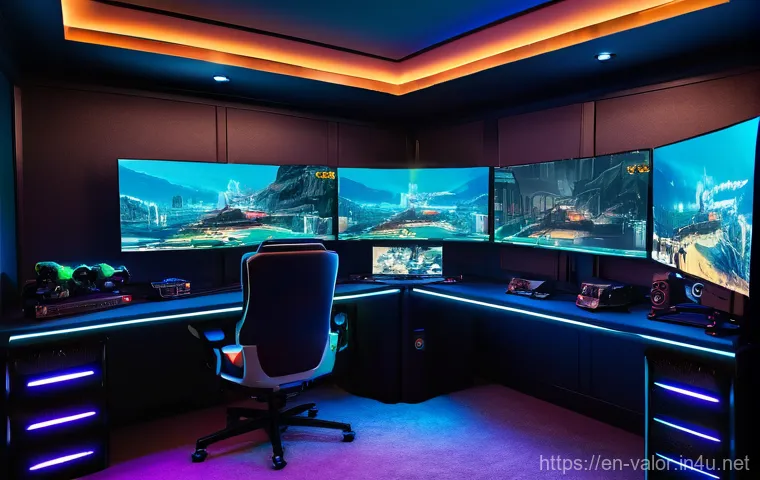
It’s easy to just jump into Valorant and play with default settings or copy a pro’s setup, but let me tell you, that’s often a recipe for frustration.
Your sensitivity, FOV, and even graphics settings play a monumental role in how comfortably and accurately you can aim. I remember when I first started, I constantly tweaked my DPI and in-game sensitivity, thinking higher was better for flick shots.
Boy, was I wrong! It led to wild over-aiming and incredible inconsistency. Finding that sweet spot isn’t just about a number; it’s about what feels like an extension of your arm.
For me, dropping my eDPI (DPI * in-game sensitivity) significantly made all the difference, allowing for smoother tracking and more precise micro-adjustments.
It felt slow at first, almost sluggish, but after a few days of committing to it, my aim became so much more controlled. Don’t be afraid to experiment, but do so with purpose.
Don’t change everything at once, and give each setting a solid few hours of gameplay before deciding if it’s for you. Remember, a comfortable setting equals consistent aiming, and consistency is king in Valorant.
It’s about building muscle memory, and you can’t build reliable muscle memory if your settings are constantly shifting or simply not right for you. Think about how much easier it is to write when your pen feels right in your hand; your mouse and settings are no different.
Fine-Tuning Your Mouse Sensitivity (DPI & In-Game)
This is probably the single most impactful setting for your aim. Most pros play on lower sensitivities, giving them more control, but it also means more arm movement.
I used to think I needed to be a wrist aimer, but once I switched to a lower sens and started using my whole arm, my tracking improved dramatically. To find your ideal eDPI (your mouse’s DPI multiplied by your in-game sensitivity), try aiming at a target in the range and smoothly tracking it from left to right without lifting your mouse.
If you’re overshooting consistently, your sensitivity might be too high. If you’re struggling to keep up, it might be too low. My personal sweet spot landed around 250-300 eDPI, which means if my DPI is 800, my in-game sensitivity is 0.3-0.375.
It took a lot of trial and error, but the commitment paid off. The key is finding a sensitivity where you can comfortably do a 180-degree turn without lifting your mouse too much, but also have enough precision for those tiny adjustments.
Visual Clarity: Display and Graphics Settings
While not directly related to your mouse, your display and graphics settings can subtly affect how well you perceive targets and react. Playing on a monitor with a high refresh rate (144Hz or 240Hz) is a game-changer; it makes everything feel so much smoother and clearer.
Trust me, once you go high refresh rate, you can never go back. Beyond that, keeping your graphics settings on low for competitive integrity is generally a good idea, as it minimizes distractions and maximizes frame rate.
I remember playing on a potato PC years ago, and the input lag was killer – every shot felt delayed. Upgrading my system and optimizing my graphics for performance over beauty made a tangible difference in my ability to react quickly.
Turn off unnecessary visual effects like bloom and distortion. Every millisecond counts when you’re trying to snap onto an enemy’s head, and a clean, high-FPS image helps immensely.
The Daily Grind: Smart Practice Routines That Actually Work
Just blasting bots in the range for an hour isn’t going to cut it if you’re serious about improving your Valorant aim. Trust me, I’ve been there, thinking sheer volume was the answer.
It’s not. What truly moves the needle is *smart* practice – targeted routines that challenge different aspects of your aim, from flicking to tracking to recoil control.
I used to hop into deathmatch with no real plan, just hoping to “get warm.” Now, my routine is much more structured, and I’ve seen a massive improvement in my consistency.
It’s like going to the gym; you don’t just lift weights haphazardly. You target specific muscle groups with specific exercises. My personal experience has shown me that quality over quantity truly applies here.
A focused 20-30 minute routine before jumping into competitive matches yields far better results than an hour of mindless clicking. It’s about building purposeful habits that translate directly into game situations.
Targeted Warm-Up Drills in the Range
Before anything else, I always hit the practice range. But instead of just shooting the bots, I have a specific regimen. I start with ten minutes of “elimination” mode on medium or hard, focusing purely on headshots.
This gets my crosshair placement dialed in. Then, I move to “strafe” bots, practicing my counter-strafing and burst firing. The key here isn’t just to kill them, but to make every shot count, focusing on precision over speed initially.
I’ve noticed that if I rush this part, my first few competitive rounds usually suffer. Another great drill is practicing flick shots on the static targets, varying the distance and angle.
It’s about building that explosive muscle memory. I used to skip this, thinking game time was enough, but these focused drills really do make a difference when you need to quickly snap to a target in a clutch situation.
Deathmatch for Realistic Scenarios
Deathmatch is an invaluable tool, but only if you use it correctly. Don’t treat it like a scoreboard competition. Instead, use it as a low-stakes environment to practice specific skills.
For me, that means focusing on crosshair placement as I clear corners, taking duels as if they were life-or-death situations, and actively trying to improve my reaction time.
I usually go for about three deathmatch games, and during those, I’m not worried about my kill-death ratio. My goal is to pre-aim common angles, practice one-taps with the Vandal or Phantom, and work on my movement while shooting.
Sometimes I’ll even challenge myself to only go for headshots or only use specific weapons to isolate certain aiming skills. This active mindset transforms deathmatch from a chaotic mess into a highly effective training session that really sharpens my combat readiness.
Crosshair Clarity: Finding Your Perfect Sight
You might think a crosshair is just a crosshair, but oh boy, is there more to it! Your crosshair is your focal point, your guiding star, and having one that both suits your visual preferences and helps you land those headshots is crucial.
I’ve gone through countless crosshair phases, from big, flashy ones to tiny dots, and what I’ve learned is that what works for one person might be terrible for another.
I remember seeing a pro player use a tiny, bright green dot, and I immediately copied it, thinking it would magically improve my aim. Instead, I found myself losing the crosshair in hectic situations, especially against bright backgrounds.
It was a disaster! Eventually, I found my sweet spot: a small, static cross with a slight gap, in a color that pops for me without being distracting. It’s about personal preference and finding something that allows you to confidently place your shots without obstructing your view.
Designing Your Ideal Crosshair for Visibility and Precision
The perfect crosshair balances visibility with precision. You want something that stands out against all backgrounds but isn’t so large or obtrusive that it covers your target.
Many players, myself included, prefer a smaller, static crosshair as it gives a clear indication of where your shots are going. I typically opt for a green or cyan color because these colors generally stand out well against the varied backdrops of Valorant maps.
My current crosshair uses an outer line offset of 1, outer line length of 3, thickness of 2, and no center dot, keeping it clean and easy to see. Experiment with the different settings in Valorant’s comprehensive crosshair editor.
Try adjusting the inner lines, outer lines, opacity, and thickness. Play a few deathmatches or bot range sessions with each iteration to see how it feels in actual aiming scenarios.
Understanding Crosshair Placement and Its Impact
Beyond just the aesthetics, understanding *how* to use your crosshair is perhaps even more important. This is called crosshair placement, and it’s about consistently positioning your crosshair at head height where an enemy is most likely to appear.
This is probably one of the biggest game-changers for my own aiming consistency. I used to run around looking at the floor or the sky, then have to make massive adjustments when an enemy appeared.
Now, I try to keep my crosshair pre-aimed at head level around corners, which drastically reduces the reaction time needed for a headshot. It sounds simple, but it takes conscious effort until it becomes second nature.
Practice clearing corners in the range, always making sure your crosshair is at head level. It makes those crucial first-shot advantages so much easier to secure.
It’s not just about aiming *when* you see an enemy, but aiming *before* you see them.
Movement Matters: Aiming While On the Go
We all know that standing still and shooting is the most accurate way to fire in Valorant. But let’s be real, you can’t just be a turret. Movement is integral to staying alive, peeking angles, and repositioning.
The trick is to integrate your movement with your aim so you can shoot accurately even when you’re not fully stationary. I spent a long time being one of those players who would peek, stop, shoot, and then get immediately traded.
It was infuriating! What I eventually realized was that my movement *before* and *after* shooting was just as important as the shot itself. Mastering techniques like counter-strafing allows you to be incredibly precise even while moving, making you a much harder target to hit while still landing your own shots.
It’s a dance, really, between moving, stopping for a fraction of a second to shoot, and then moving again. This fluid movement and shooting style truly separates average players from the sharpshooters.
| Movement Technique | Description | Aiming Benefit |
|---|---|---|
| Counter-Strafing | Momentarily tapping the opposite direction key (e.g., ‘A’ after ‘D’) to instantly stop your momentum and achieve pinpoint accuracy. | Allows for highly accurate shots while still maintaining quick evasive movement, making you a harder target. |
| Jiggle Peeking | Quickly peeking an angle by strafing out and back in rapid succession, gathering information without fully exposing yourself. | Minimizes exposure time, allowing you to get a visual on an enemy before committing to a full duel. |
| Wide Peeking | Taking a wider angle around a corner to expose more of yourself, often done to catch an opponent off guard or to clear deeper angles. | Can surprise enemies holding tight angles, but requires confident aim to capitalize on the exposure. |
| Silent Walking | Holding Shift while moving to reduce footstep noise, crucial for sneaking up on enemies or repositioning discreetly. | Allows for surprise engagements, reducing the need for quick reaction shots as enemies are unaware. |
Mastering Counter-Strafing for Pinpoint Accuracy
Counter-strafing is probably the most essential movement technique for advanced aim in Valorant. It’s the art of quickly tapping the opposite movement key (e.g., if you’re strafing right with ‘D’, you tap ‘A’ just before you want to shoot) to instantly bring your character to a complete stop.
This brief moment of stillness grants you full shooting accuracy without being a static target for long. I remember when I finally started to internalize this, my competitive play felt like it unlocked a new level.
My hit rate increased dramatically, especially in duels where I was actively moving. It takes practice, and it will feel clunky at first. Head into the range, start strafing back and forth, and practice shooting a bot every time you counter-strafe.
Focus on the crispness of the stop and the immediate shot. It’s a rhythm that becomes second nature, and once you have it down, you’ll be hitting shots that previously felt impossible while moving.
Strategic Peeking: Jiggle vs. Wide
How you peek a corner can be just as important as your aim once you see an enemy. There are two main approaches: jiggle peeking and wide peeking, and knowing when to use each can make a huge difference.
Jiggle peeking involves quickly tapping out from cover and immediately back in, often used to gather information or bait a shot without committing to a full fight.
It’s fantastic for checking if an angle is held without risking a full engage. I use this all the time to feel out if a certain spot is being pushed. On the other hand, wide peeking involves taking a much wider angle around a corner.
This can be effective if you suspect an enemy is holding a very tight angle, as it forces them to adjust their aim significantly. However, it also exposes you more, so it requires confident, fast aim.
I’ve found that combining these two, starting with a jiggle to gather info and then a calculated wide peek if I know where an enemy is, works wonders.
Mind Games: The Mental Edge in Aiming
You can have the best settings and practice routines in the world, but if your mental game isn’t on point, your aim will suffer. I’ve had so many days where I was hitting every shot, feeling like a god, only to fall into a slump the next day, completely missing easy kills.
It’s not just about physical skill; your mindset, focus, and even your breathing can impact your performance. When I first started playing competitively, I used to get incredibly frustrated after every missed shot, which would then snowball into even more misses.
It was a vicious cycle! Learning to manage tilt, stay calm under pressure, and maintain a positive outlook has had a profound effect on my consistency and, by extension, my aim.
It’s about recognizing that every game won’t be perfect, and some days you just won’t hit all your shots. The goal is to minimize the bad days and maximize the good ones by being mentally prepared.
Staying Calm Under Pressure and Managing Tilt
This is probably the hardest part for many players, including myself. It’s easy to get frustrated after a missed shot or a lost round, but letting that frustration consume you is a death sentence for your aim.
I used to clench my jaw, breathe shallowly, and my hands would get tense – all terrible for precise aiming. What I’ve learned is to take a deep breath, consciously relax my shoulders, and remind myself that it’s just one round, one shot.
Resetting your mental state is incredibly powerful. If I’m really feeling tilted, I’ll even step away from the keyboard for 30 seconds between rounds, grab some water, and just clear my head.
A positive mindset isn’t about ignoring mistakes, but about learning from them without letting them define your current performance. Think of it as a small mental break to reset your focus and bring back that calm, steady aim.
Building Confidence Through Positive Reinforcement
Confidence is a huge factor in aiming. If you go into a duel expecting to miss, you’re probably going to miss. Conversely, if you feel confident, you’re more likely to land that crucial headshot.
I’ve found that focusing on my good plays, even small ones, helps build that confidence. Did you land a nice flick in the range? Great!
Did you win a difficult duel? Awesome! Acknowledge those moments.
I even keep a mental highlight reel going during my play sessions. When I make a mistake, I quickly analyze it and move on, rather than dwelling on it.
This positive reinforcement, focusing on what I did right and what I can improve, rather than just my failures, has drastically improved my overall performance.
It’s about building a robust mental framework that supports consistent high-level play, even when things get tough.
Gear Up: Optimizing Your Hardware for Precision
You might be a wizard with a mouse, but if your gear isn’t pulling its weight, you’re fighting an uphill battle. I’m not saying you need to break the bank on the most expensive setup, but having reliable, responsive peripherals can absolutely make a noticeable difference in your aim.
I remember playing on a worn-out mouse pad that had dead spots and a cheap mouse that would randomly spin out. It was infuriating, and I constantly blamed myself for missed shots that were, in hindsight, partly due to my equipment.
Once I invested in a good quality gaming mouse and a large, consistent mouse pad, it felt like my aim suddenly had wings. The consistency was incredible, and I could finally trust that my movements would translate accurately into the game.
It’s about removing variables that can negatively impact your performance and ensuring your hardware is a reliable extension of your intent.
The Right Mouse: Sensor, Weight, and Ergonomics
Your mouse is your primary tool for aiming, so choosing the right one is paramount. Look for a mouse with a top-tier optical sensor, as these offer the most accurate and consistent tracking.
Brands like Logitech, Razer, and Zowie are known for their excellent sensors. Beyond that, consider the weight and ergonomics. I personally prefer a lighter mouse because it feels less fatiguing during long sessions and allows for quicker flick shots.
However, some players prefer a heavier mouse for more stability. The shape is also crucial; find one that fits your hand comfortably for your grip style (palm, claw, or fingertip).
I spent hours researching and trying out different mice until I found one that felt just right in my hand, and it made a world of difference in my aim’s stability and comfort.
Don’t underestimate how much a comfortable grip can reduce fatigue and improve precision over time.
Mousepad Matters: Size and Surface Consistency
Often overlooked, your mousepad is just as important as your mouse. A good mousepad provides a consistent surface for your mouse sensor to track on, preventing skips and inconsistencies.
For low-sensitivity players like myself, a large mousepad is absolutely essential; you need ample space for those big arm movements. I prefer a cloth pad for its balance of speed and control, but some prefer hard pads for faster glide.
The key is consistency across the surface. My old mousepad had worn spots, and my aim would feel different when I moved my mouse over those areas. Investing in a high-quality, large mousepad ensured that every swipe, every micro-adjustment, felt exactly the same, giving me a solid foundation for my aim.
It’s the unsung hero that supports all those precise movements your hand is trying to make.
Concluding Thoughts
Whew, that was a lot to unpack, right? But seriously, if you’ve stuck with me this far, you’re already on the path to becoming a better player. It’s truly amazing how much difference small adjustments can make, not just in your settings, but in your entire approach to the game. I’ve personally experienced the frustration of feeling “stuck” at a certain rank, only to break through after consciously applying these principles. Remember, Valorant isn’t just about raw aim; it’s a blend of mechanics, strategy, and mental fortitude. Keep experimenting, keep practicing smartly, and most importantly, keep enjoying the journey. The satisfaction of hitting those crisp headshots and seeing your rank climb because of your dedicated effort is truly unmatched. It’s a continuous learning process, and every game, every duel, every practice session is an opportunity to refine your skills even further. You’ve got this!
Useful Information to Know
Beyond the specific aim tips, there are so many little things that can genuinely enhance your Valorant experience and indirectly boost your performance. Over my years of playing, I’ve picked up some invaluable insights that go beyond just pulling the trigger. These aren’t just technical tricks; they’re often about optimizing your overall environment and approach to the game, helping you stay fresh, focused, and ready for those clutch moments. Trust me, paying attention to these seemingly minor details can often be the secret sauce to consistent improvement and a much more enjoyable gaming journey. It’s all about setting yourself up for success, both in and out of the game.
1. Regular Breaks are Crucial: Seriously, don’t underestimate the power of stepping away. Staring at a screen for hours on end not only causes eye strain but can also lead to mental fatigue, making your aim sloppy and your decision-making foggy. I’ve found that a quick 5-10 minute break every hour or so, even just to stretch or grab a drink, does wonders for resetting my focus and bringing back that sharp, precise aim. It’s better to play fewer, more focused games than to grind endlessly and burn out. Your brain needs time to process and your eyes need a rest, especially when you’re trying to track fast-moving targets and react quickly. Think of it as hitting the refresh button for your brain, which is just as important as your physical reflexes in a fast-paced game like Valorant.
2. Optimize Your Internet Connection: Input lag and ping can absolutely ruin your aim, even if you have the fastest reflexes. Make sure you’re on a wired connection (Ethernet) if at all possible, rather than Wi-Fi. Close any unnecessary background applications that might be hogging bandwidth, especially streaming services or large downloads. I once spent an entire week wondering why my shots felt delayed, only to realize my housemate was constantly downloading huge files. Switching to a wired connection and managing bandwidth felt like playing a different game – my shots felt crisp and responsive. A stable, low-ping connection is the foundation for reliable hit registration, and without it, even perfect aim can feel ineffective. It’s always worth running a quick speed test before jumping into competitive to ensure your network isn’t holding you back.
3. Hydration and Nutrition Matter: This might sound like something your mom would tell you, but staying hydrated and eating well genuinely impacts your focus and reaction time. Sugary drinks or heavy meals can lead to a crash, making you sluggish and less alert. I try to keep a water bottle next to me at all times and opt for lighter, healthier snacks during longer gaming sessions. The difference in my sustained concentration throughout a long competitive session is palpable. When my body feels good, my mind feels good, and that directly translates to sharper aim and better in-game decisions. It’s not just about what you do in the game, but how you prepare your body and mind for peak performance, ensuring your focus doesn’t waver when the pressure is on.
4. Record and Review Your Gameplay: This is a pro tip that every aspiring player should adopt. Many top players use recording software to review their own matches. You don’t need to do it for every game, but watching back your VODs (video on demand) can highlight patterns in your aim, movement, and crosshair placement that you might not notice in the heat of the moment. I used to think I was always pre-aiming correctly, but reviewing my gameplay showed me how often I was looking at the floor or walls. Identifying those mistakes allowed me to consciously work on them. It’s an incredibly powerful tool for self-correction and understanding your own unique aiming tendencies, both good and bad. There are free tools available like OBS Studio for recording, and just 10-15 minutes of reviewing a close game can reveal so much about where you can improve.
5. Join a Community or Find Teammates: While aim is personal, having a supportive community or a consistent team can significantly boost your overall enjoyment and help you improve. Playing with randoms can often be a frustrating experience that detracts from your focus and mental state, which in turn can impact your aim. Finding like-minded individuals to queue with not only makes the game more fun but also creates an environment where you can communicate effectively, learn from each other, and grow together. I found some of my best teammates through online forums, and our collective improvement, including our aim, became much more consistent as we pushed each other to get better. A positive team environment reduces stress and allows you to focus purely on your performance, knowing your teammates have your back.
Key Takeaways
To truly elevate your Valorant aim, remember that it’s a holistic endeavor, not just about raw mouse control. Start by meticulously optimizing your in-game and hardware settings to create a comfortable and consistent foundation; think of it as setting up your perfect workshop. Then, commit to smart, targeted practice routines that focus on quality over sheer volume, consciously drilling specific aiming skills. Crucially, cultivate a strong mental game, learning to manage tilt and build confidence through positive reinforcement, as your mindset can be your greatest asset or biggest foe. Finally, ensure your gear supports your efforts, investing in a responsive mouse and a consistent mousepad. By addressing these five pillars – Settings, Practice, Crosshair, Movement, and Mindset – you’ll build a robust framework for consistent, high-level aiming, transforming your gameplay from merely reactive to truly dominant. It’s a journey, but with these insights, you’re well-equipped to master it.
Frequently Asked Questions (FAQ) 📖
Q: Why does my aim feel fantastic in the practice range, but then totally falls apart when I’m in a real match?
A: Oh, trust me, this is probably one of the most common frustrations every Valorant player faces, and I totally get it because I was there for ages! In the practice range, everything is controlled, right?
You’re shooting static bots or predictable movement patterns, there’s zero pressure, no opponents trying to out-maneuver you, and certainly no teammates screaming for a clutch.
The big difference is the mental game and unpredictable real-world scenarios. In a live match, you’re dealing with adrenaline, the fear of missing, unexpected peeks, constant movement from enemies, and the need to make split-second decisions under immense pressure.
What truly helped me bridge this gap was not just mindlessly shooting bots, but actively simulating real game situations in the range – practicing peeking corners with proper crosshair placement, doing quick flick drills after a simulated strafe, and focusing on micro-adjustments as if an enemy just popped up.
I also realized that simply slowing down my thinking in high-pressure moments, even for a fraction of a second, gave me the clarity to actually use those range skills.
It’s less about raw aim sometimes and more about applying it under stress.
Q: Besides just shooting bots, what are some ‘smart’ training routines or techniques that genuinely make a difference in improving aim?
A: Okay, this is where the real magic happens, beyond just burning through rounds of the practice range. While the range is great for warming up, truly smart training involves a bit more intention.
First, I found incorporating external aim trainers like Aim Lab or Kovaak’s to be a game-changer. They offer a huge variety of drills targeting specific aim types – flicking, tracking, target switching, speed, and precision – in a way the Valorant range simply can’t.
My personal routine usually starts with a 10-15 minute warm-up in the Valorant range, focusing on crosshair placement and tapping, then I jump into 20-30 minutes of dedicated drills in an aim trainer.
I focus on drills that mimic Valorant’s tactical pace, rather than just raw speed. Another massive tip is to record your gameplay and watch it back. I know, I know, nobody likes seeing their own mistakes, but I swear, reviewing my VODs helped me spot bad habits I didn’t even realize I had, like over-flicking or poor crosshair placement before peeking.
Identifying those patterns outside the heat of the moment makes it so much easier to consciously correct them during your next session. It’s about quality over quantity, always.
Q: How crucial is crosshair placement, and what other often-overlooked factors can dramatically improve someone’s aim in Valorant?
A: Oh, crosshair placement is absolutely, without a doubt, one of the most crucial elements in Valorant aiming. If you’re not pre-aiming at head height where you expect an enemy to be, you’re already giving yourself a huge disadvantage.
I learned this the hard way, always having to adjust my crosshair after seeing an enemy, which is just too slow. Consciously practicing pre-aiming corners and angles at head level changed my first shot accuracy overnight.
It reduces the amount you need to flick or adjust, turning almost every engagement into a simple click rather than a dramatic flick. Beyond that, two massively overlooked factors come to mind.
First is movement. Good aim isn’t just about your mouse; it’s about how you move your character. Learning proper counter-strafing to instantly stop and shoot, or using subtle movement to correct your aim, is just as important as your raw mouse control.
You can have the best flick in the world, but if you’re moving erratically, it means nothing. Second, and this might sound a bit “out there,” is confidence and mental clarity.
When I’m playing confidently and not second-guessing my shots, my aim feels crispier. Overthinking or getting frustrated after a miss just snowballs into more misses.
Taking a deep breath, focusing on the next round, and trusting your practice can genuinely make your aim feel more consistent. It’s a holistic approach, not just about your hand.